Wilpattu National Park
The Pristine Wilderness of Lakes and Leopards
Enter Sri Lanka's largest and most pristine national park at Wilpattu, where over 1,300 square kilometers of untouched wilderness encompasses unique "villu" (natural lakes) ecosystems that support exceptional leopard populations, diverse wildlife communities and pristine forest landscapes that remain largely unexplored by mass tourism. This magnificent protected area represents authentic wilderness experience, where elusive leopards hunt along lake shores beneath ancient trees, where sloth bears forage in dense jungle undergrowth, where spotted deer gather at crystal-clear natural lakes, and where over 200 bird species create spectacular displays in ecosystems that have remained virtually unchanged for millennia. More than just a national park, Wilpattu offers profound wilderness immersion: the thrill of tracking apex predators through pristine forest paths, the peaceful contemplation of mirror-like lakes reflecting tropical sky through forest canopies, the archaeological wonder of ancient civilizations hidden within jungle landscapes, and the rare privilege of experiencing one of Asia's last great wilderness areas in its natural, undisturbed magnificence.
What Makes Wilpattu National Park Extraordinary
Wilpattu National Park represents Sri Lanka's most pristine and least disturbed wildlife sanctuary, where unique geographical features including over 60 natural lakes create diverse aquatic and terrestrial ecosystems that support exceptional biodiversity while maintaining wilderness character largely unaffected by human development or intensive tourism pressure. This isn't simply a safari destination it's a comprehensive wilderness preserve where ancient forest ecosystems function according to natural processes, where wildlife populations maintain natural behavior patterns without significant human interference, and where visitors experience authentic wilderness conditions that demonstrate how pristine ecosystems support healthy wildlife communities. The park's extraordinary "villu" lake system creates unique habitat conditions found nowhere else in Sri Lanka, where seasonal water level variations support different species communities while providing essential water sources that concentrate wildlife activity in spectacular natural amphitheaters surrounded by dense forest. What makes Wilpattu truly extraordinary is its wilderness authenticity and exclusivity: limited tourism infrastructure that preserves natural character while providing access for serious wildlife enthusiasts, exceptional leopard populations that remain largely unstudied and unpredictable, creating genuine wilderness encounters rather than predictable wildlife viewing experiences. The combination of unique lake ecosystems, pristine forest landscapes, diverse wildlife populations and authentic wilderness atmosphere makes Wilpattu unique among global wildlife destinations, offering visitors rare opportunities to experience nature as it existed before human development altered most of the world's remaining wild spaces.
Historical Significance
Wilpattu's protection as a wildlife sanctuary began in 1905 when British colonial administrators recognized the area's exceptional wilderness values and established it as a game reserve, making it one of Sri Lanka's oldest protected areas and demonstrating early understanding of the importance of preserving large, intact ecosystems for wildlife conservation. The park's cultural history extends back over 2,000 years, with archaeological evidence revealing ancient settlements, monasteries, and irrigation systems that demonstrate how early civilizations adapted to wilderness environments while maintaining sustainable relationships with wildlife populations through cultural practices that emphasized coexistence rather than domination. The discovery of Kali Villu and other archaeological sites within current park boundaries reveals sophisticated ancient civilizations that thrived in wilderness settings through sustainable resource use practices and religious traditions that protected forest ecosystems and wildlife populations centuries before modern conservation science developed similar understanding. The park's designation as a national park in 1938 reflected growing recognition of its unique ecological values, while its closure during the civil conflict period from 1985-2003 inadvertently created an extended period of complete protection that allowed wildlife populations and ecosystems to recover from previous disturbances. The park's reopening in 2003 marked the beginning of careful management approaches that balance wildlife protection with limited, sustainable tourism development designed to fund conservation efforts while preserving the wilderness character that makes Wilpattu extraordinary. Contemporary conservation challenges including human-wildlife conflict, poaching pressure, and climate change impacts have sparked innovative management approaches that combine traditional knowledge with modern science to ensure long-term protection of this irreplaceable wilderness heritage. The park's success in maintaining pristine wilderness conditions while supporting healthy wildlife populations demonstrates how effective protection can preserve natural ecosystems that serve as benchmarks for understanding how undisturbed nature functions and what conservation goals should aspire to achieve.
Must-Experience Wonders
Leopard Tracking in Pristine Wilderness - Ultimate Predator Encounters
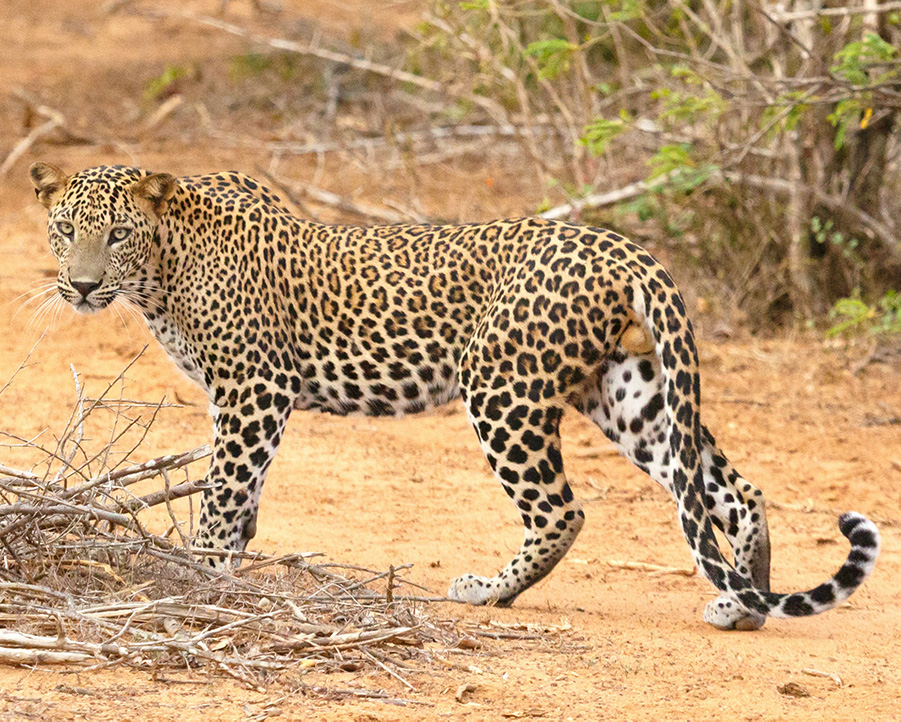
Experience Sri Lanka's most authentic leopard viewing opportunities through challenging but rewarding wildlife tracking in pristine forest environments where these magnificent cats maintain completely natural behavior patterns without habituation to human presence, creating genuine wilderness encounters that test both patience and wildlife viewing skills. Wilpattu's leopard population remains largely unstudied and unpredictable, requiring experienced guides with traditional tracking skills and intimate knowledge of animal behavior patterns to locate these elusive predators in dense forest environments where every sighting represents a significant achievement and profound wildlife experience. The park's diverse habitats from dense forest to open grasslands around lakes create varied hunting grounds that support different leopard territories and behavior patterns, while limited human presence ensures that encounters remain authentic wildlife experiences rather than predictable tourist attractions. Professional guides combine traditional tracking techniques with modern wildlife knowledge to maximize sighting opportunities while ensuring that tourism activities remain respectful of natural behaviors and do not interfere with essential wildlife activities including hunting, territorial behavior and family interactions.
Natural Lake Ecosystems - Villu Wonderlands
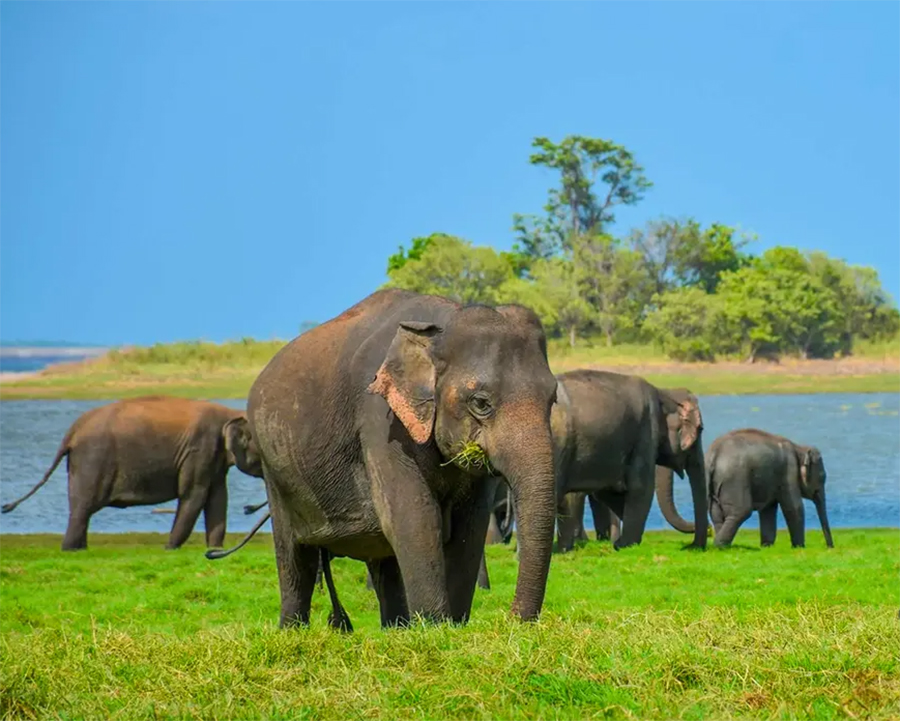
Discover Wilpattu's unique "villu" natural lake system where over 60 pristine lakes create diverse aquatic ecosystems that support exceptional wildlife diversity while providing spectacular scenic beauty and peaceful contemplation opportunities in settings that epitomize wilderness tranquility. These natural lakes, formed by ancient geological processes and maintained by seasonal rainfall patterns, create varied aquatic habitats from shallow seasonal pools to deep permanent lakes that support different species communities throughout the year. Wildlife concentration around these pristine water sources provides optimal viewing opportunities for elephants, water buffalo, spotted deer and diverse bird communities that depend on aquatic resources while creating natural wildlife theaters surrounded by undisturbed forest landscapes. The lakes' crystal-clear waters and mirror-like surfaces create spectacular photography opportunities, while their integration with surrounding forest ecosystems demonstrates the complex relationships between aquatic and terrestrial habitats that support healthy wildlife populations in pristine wilderness environments.
Sloth Bear Wilderness Encounters - Rare Forest Giants
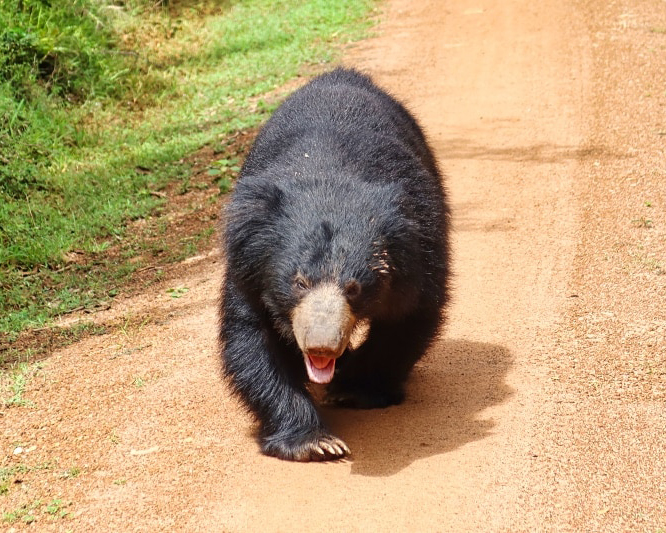
Experience rare opportunities to observe Sri Lankan sloth bears in their natural forest habitat, where these elusive and powerful omnivores forage for termites, fruits, and honey in dense jungle environments that provide optimal conditions for observing natural behaviors rarely seen in more developed wildlife viewing areas. Wilpattu's pristine forest ecosystems support healthy sloth bear populations that maintain natural behavior patterns and territory ranges, while the park's limited human disturbance creates optimal conditions for authentic wildlife encounters with these remarkable but rarely observed forest dwellers. Professional guides skilled in bear behavior and safety protocols provide essential knowledge for safe observation while maximizing opportunities to witness feeding behaviors, territorial activities and family interactions that reveal the complex ecology and behavioral adaptations that make sloth bears successful in tropical forest environments. The challenge and rarity of sloth bear encounters make successful sightings particularly rewarding while contributing to scientific understanding of these poorly studied but ecologically important forest species.
Pristine Bird Paradise - Avian Wilderness Diversity
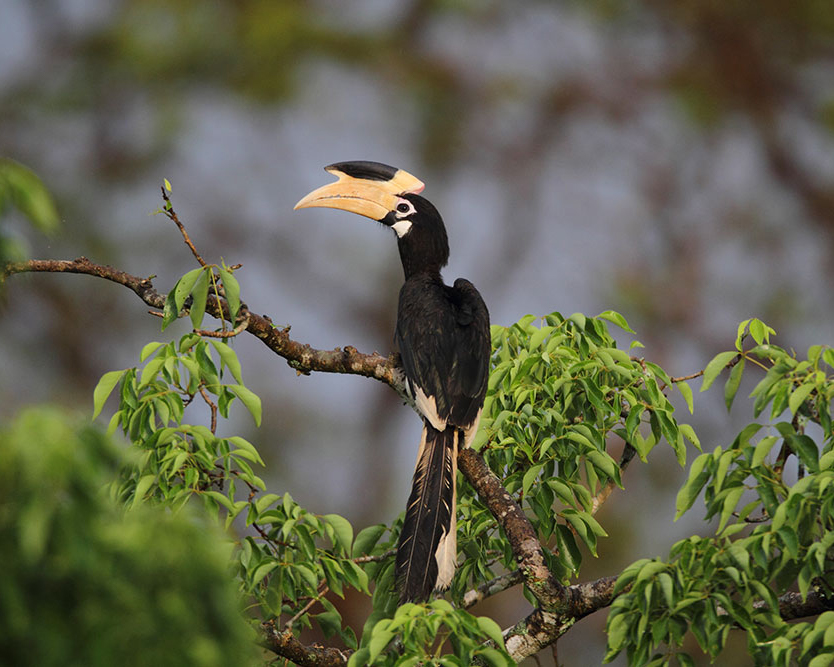
Discover exceptional bird watching opportunities in pristine forest and lake ecosystems that support over 200 species including endemic species, spectacular raptors, and diverse aquatic birds that thrive in undisturbed wilderness environments largely free from human interference and habitat degradation. The park's diverse habitats from dense forest canopies to open lake shores create varied bird communities that provide constantly changing ornithological experiences, while limited human disturbance ensures that bird behaviors remain natural and authentic rather than modified by tourism pressure. Professional bird guides provide species identification, behavior interpretation, and optimal positioning advice that maximizes bird watching experiences while ensuring that human activities do not disturb sensitive feeding, nesting, or territorial behaviors that are essential for healthy bird populations. The combination of endemic species, spectacular displays by resident and migratory birds and pristine habitat conditions makes Wilpattu exceptional for serious bird watchers seeking authentic wilderness ornithological experiences that demonstrate how undisturbed ecosystems support maximum bird diversity and natural behaviors.
Transportation & Access from Major Cities
From Colombo
180 km via A3 and A12 highways (4 hours), requiring dedication but offering authentic wilderness rewards.
From Negombo
150 km via A3 and A12 highways (3.5 hours), convenient for airport combinations with wilderness experiences.
From Anuradhapura
30 km via A12 highway (45 minutes), perfect combination of ancient capital and wilderness exploration.
From Kurunegala
60 km via A6 and local roads (1.5 hours), alternative access route through different landscapes.
From Puttalam
50 km via local roads (1.5 hours), coastal approach providing varied scenery en route.
Dining Experiences
Wilderness Lodge Dining
Simple but quality meals served in authentic wilderness lodge settings.
Packed Safari Meals
Essential provisions for extended wilderness exploration and camping experiences.
Traditional Village Cooking
Authentic local cuisine prepared by communities near park boundaries.
Cultural Restaurant Experiences
Local establishments serving traditional dishes near Anuradhapura and access towns.
Authentic Shopping & Souvenirs
Wilderness and Conservation Items
Wildlife Photography
Professional prints featuring Wilpattu's pristine wilderness and rare wildlife encounters.
Conservation Literature
Educational materials about wilderness preservation and Sri Lankan wildlife conservation.
Traditional Handicrafts
Items created by local communities using sustainable materials and traditional techniques.
Wilderness Art
Local artwork featuring park landscapes and wildlife created by regional artists.
Educational Materials
Specialized guides, maps and conservation information enhancing wilderness experiences.
Local Community Products
Traditional Textiles
Handwoven fabrics created by villages near the park using indigenous materials.
Natural Products
Honey, herbs, and sustainable items produced by park-adjacent communities.
Wooden Crafts
Traditional carvings and functional items featuring wildlife themes and local designs.
Cultural Artifacts
Items representing the heritage of communities living near Wilpattu's boundaries.
Best Times to Visit & Seasonal Highlights
Optimal Wilderness and Wildlife Conditions
Dry Season (May-October)
Optimal wildlife concentration around water sources with easier forest navigation.
Peak Wildlife Activity (June-September)
Maximum animal visibility with reduced vegetation density.
Early Morning Safaris (5:30-9:00 AM)
Peak wildlife activity with comfortable temperatures and optimal lighting.
Late Afternoon Drives (3:00-6:30 PM)
Active animal behavior with spectacular wilderness sunset experiences.
Seasonal Wildlife and Natural Highlights
Leopard Activity Patterns
Seasonal variations in territorial behavior and hunting patterns.
Sloth Bear Foraging
Peak activity periods during fruit seasons and termite availability.
Bird Migration and Breeding
Enhanced ornithological experiences during specific seasonal periods.
Lake Water Levels
Seasonal variations creating different wildlife viewing and photography opportunities.
Seasonal Considerations
Northeast Monsoon (November-February)
Reduced safari activity but spectacular wilderness scenery with lush vegetation.
Inter-Monsoon Periods
Variable conditions providing opportunities for different wilderness experiences.
Limited Season Access
Some wilderness areas may be restricted during extreme weather or conservation activities.
Visitor Guidelines & Practical Information
Wilderness Safety and Preparation
Physical Fitness Requirements
Wilderness conditions requiring good health and outdoor experience.
Safety Protocols
Understanding wilderness risks and following professional guide instructions.
Equipment Preparation
Appropriate clothing, supplies, and equipment for authentic wilderness conditions.
Emergency Procedures
Understanding limited communication and medical access in wilderness environments.
Wildlife Viewing Ethics and Conservation
Wilderness Respect
Understanding the importance of preserving pristine natural conditions.
Wildlife Behavior
Maintaining appropriate distances and behaviors that do not stress wild animals.
Photography Ethics
Responsible wilderness photography that prioritizes conservation over image capture.
Leave No Trace
Minimizing environmental impact and preserving wilderness character for future visitors.
Cultural and Archaeological Sensitivity
Traditional Knowledge
Appreciating local wisdom and traditional relationships with wilderness environments.
Insider Tips from Dream Lanka Holidays
Premium Wilderness Experiences
Expert Guide Selection
Recommendations for the most experienced wilderness guides and trackers.
Optimal Timing Strategies
Best seasonal conditions and daily timing for specific wildlife encounters.
Hidden Wilderness Gems
Camping Opportunities
Authorized wilderness camping experiences for authentic nature immersion.
Comprehensive FAQ
Experience Wilpattu National Park with Dream Lanka Holidays
Discover Sri Lanka's last great wilderness frontier with our expert guides who transform pristine forest landscapes into profound encounters with untamed nature that combine authentic wildlife tracking, wilderness immersion, and conservation education in the island's most unspoiled and challenging national park. Our specialized Wilpattu programs cater to serious wildlife enthusiasts and wilderness adventurers seeking authentic nature experiences rather than predictable tourism encounters, ensuring you experience not just rare wildlife sightings but the profound satisfaction of exploring genuine wilderness that remains largely unchanged by human development.
We provide access to experiences that casual visitors cannot access: wilderness tracking expeditions with the most experienced traditional guides who know secret wildlife areas and camping programs that provide complete wilderness immersion under star-filled skies far from civilization. Our guides, trained in both wilderness survival and advanced wildlife tracking, help you navigate challenging forest conditions while maximizing opportunities for authentic encounters with leopards, sloth bears, and other elusive species that thrive in undisturbed natural environments.
From practical guidance about wilderness preparation and safety protocols to profound insights about ecosystem preservation and traditional knowledge, let Dream Lanka Holidays guide you through Wilpattu's pristine wilderness. Experience the ultimate wilderness adventure where natural lakes mirror undisturbed forest canopies, where elusive leopards hunt according to ancient patterns undisturbed by human presence and where every moment in pristine nature reminds you why protecting Earth's last great wilderness areas remains one of conservation's most important and urgent priorities.