Nuwara Eliya
The Enchanting Hill Country Paradise
Escape to Sri Lanka's cool mountain highlands where emerald tea plantations cascade down misty hills, colonial-era charm blends seamlessly with natural splendor, and temperatures provide a refreshing retreat from tropical heat. Welcome to Nuwara Eliya, the "Little England" of Sri Lanka perched at 1,868 meters above sea level in the heart of the Central Highlands, this enchanting hill station combines breathtaking natural beauty with fascinating cultural heritage, where manicured tea estates stretch to distant horizons, pristine lakes reflect cloud-draped peaks, and colonial architecture tells stories of bygone eras. More than just a scenic destination, Nuwara Eliya offers a complete sensory transformation: crisp mountain air scented with tea leaves and wildflowers, the gentle rhythm of tea pluckers moving through emerald carpets, and mist-shrouded landscapes that seem painted by nature's most artistic hand.
What Makes Nuwara Eliya Extraordinary
Nuwara Eliya represents a unique convergence of natural magnificence and human ingenuity, where British colonial planters transformed rugged mountain terrain into one of the world's most beautiful agricultural landscapes. This isn't simply a hill station it's a living masterpiece where every view reveals carefully cultivated tea gardens that follow mountain contours like giant green staircases, where colonial bungalows nestled among pine trees and rhododendron groves create an almost European atmosphere in tropical Sri Lanka. The region's extraordinary biodiversity encompasses cloud forests harboring endemic species found nowhere else on earth, pristine mountain lakes that mirror surrounding peaks, and cascading waterfalls that plunge through jungle valleys with thunderous beauty. What makes Nuwara Eliya truly extraordinary is how human settlement has enhanced rather than diminished natural beauty: tea estates that create geometric patterns across mountainsides, colonial gardens where temperate flowers bloom in tropical highlands, and historic buildings that seem perfectly integrated into their mountain settings. The climate itself is remarkable which is springlike temperatures year-round at altitudes where snow occasionally dusts the highest peaks, creating growing conditions perfect for both temperate crops and highland wildlife. The cultural landscape tells fascinating stories of Scottish planters who recreated Highland estates in Ceylon's mountains, Tamil laborers whose descendants maintain tea-picking traditions, and contemporary Sri Lankans who have preserved this unique heritage while adapting it for modern tourism and sustainable agriculture.
Historical Significance
Nuwara Eliya's transformation from remote mountain wilderness to sophisticated hill station began in 1818 when British colonial officer John Davy first explored these highlands, though the area remained largely uninhabited until Sir Samuel Baker established the first European settlement in 1846. Baker, fascinated by the region's temperate climate and fertile soil, began experimenting with European crops and established Nuwara Eliya as a sanatorium where colonial officials could escape the coastal heat and recover from tropical illnesses. The arrival of Scottish planter James Taylor in 1867 marked the beginning of Ceylon's tea industry when he planted the first commercial tea garden at Loolecondera Estate, revolutionizing both the local economy and global tea trade. The colonial government recognized Nuwara Eliya's potential as a highland retreat, investing in infrastructure including the remarkable railway line completed in 1885 that connected the mountains to Colombo through engineering marvels including tunnels, bridges, and spiral loops that remain among the world's most scenic train routes. By the early 20th century, Nuwara Eliya had become the unofficial summer capital of British Ceylon, where governors established residences, exclusive clubs maintained English social traditions, and elaborate hotels catered to wealthy planters and visiting dignitaries. The town's architecture reflects this colonial heritage with Tudor-style buildings, Anglican churches, and manicured parks that created a "Little England" atmosphere complete with golf courses, horse racing, and formal gardens. Post-independence Sri Lanka initially struggled with the economic transition as tea estates changed ownership, but visionary planning transformed Nuwara Eliya into a premier tourist destination while preserving its colonial charm and continuing its reputation for producing some of the world's finest high-altitude teas. Today, the region balances heritage preservation with sustainable development, where historic tea estates operate as luxury hotels, traditional manufacturing methods produce premium teas for global markets, and conservation efforts protect unique mountain ecosystems that support both agriculture and biodiversity.
Must-Experience Wonders
Tea Estate Experiences - The Heart of Ceylon Tea
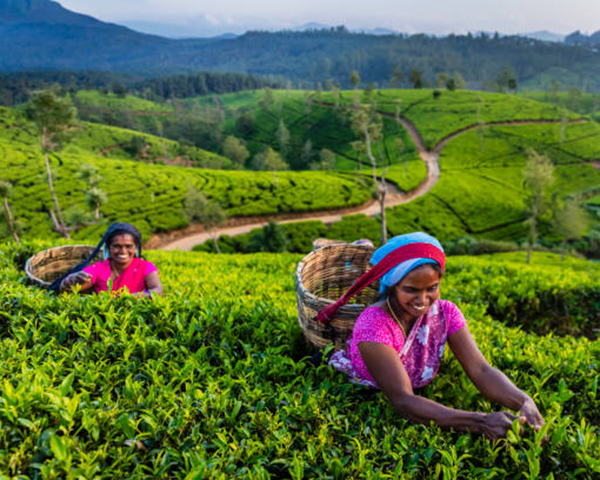
Immerse yourself in the world's most scenic tea-growing region through comprehensive estate experiences that reveal both agricultural artistry and cultural heritage. Visit working tea factories where traditional withering, rolling, fermenting, and firing processes create the distinctive flavors of high-altitude Ceylon tea, while expert tea tasters explain terroir differences between estates and elevation zones. Participate in tea plucking alongside experienced workers who harvest only the finest "two leaves and a bud" with skills passed down through generations, learning to identify optimal picking standards while enjoying panoramic views across mountain valleys. The Pedro Tea Estate and Damro Tea Garden offer particularly authentic experiences, where guided tours include plantation history, manufacturing demonstrations, and expertly conducted tastings that reveal subtle flavor variations between different grades and processing methods.
Horton Plains National Park - World's End Adventure
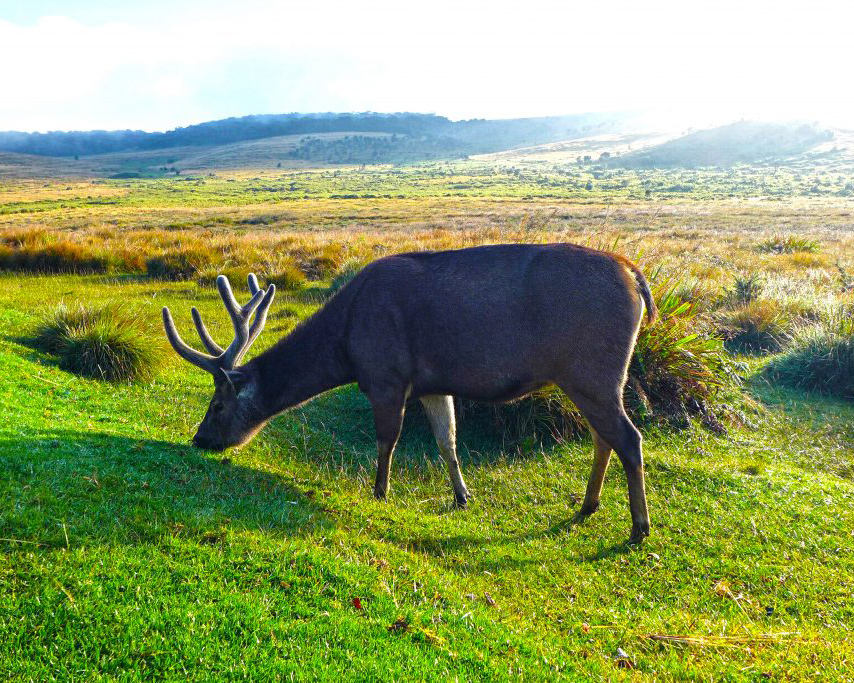
Explore Sri Lanka's most dramatic highland wilderness at Horton Plains, where ancient cloud forests harbor endemic species and spectacular geological formations create some of the island's most breathtaking scenery. The famous World's End viewpoint provides a sheer 4,000-foot drop with panoramic views extending to the southern coast on clear days, while Baker's Falls cascades through pristine forest where leopards, sambar deer, and endemic bird species thrive in protected habitat. The 9-kilometer circular hiking trail passes through multiple ecosystems including montane grasslands, cloud forests, and wetland areas that support unique flora including dwarf bamboo, tree ferns, and colorful rhododendrons. Early morning visits offer optimal wildlife viewing opportunities and clear weather conditions before afternoon mists obscure the dramatic vistas.
Gregory Lake and Victoria Park - Colonial Leisure Legacy
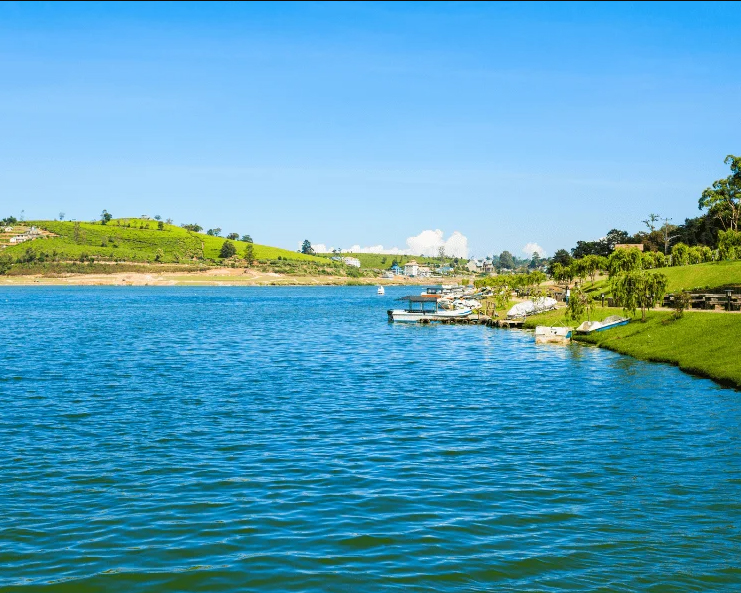
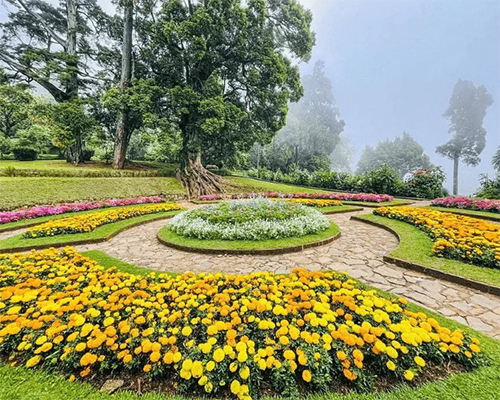
Discover the centerpiece of Nuwara Eliya's colonial-era recreational planning at Gregory Lake, an artificial lake created in 1873 that serves as the town's social and recreational heart. The lake offers peaceful boat rides with mountain reflections, lakeside walking paths lined with eucalyptus trees, and seasonal festivals that transform the waterfront into colorful celebration venues. Adjacent Victoria Park showcases exotic and native plant species in landscaped gardens that demonstrate successful acclimatization of temperate flora to tropical highland conditions. The park's collection includes Japanese cherry trees, English roses, and indigenous montane species that create spectacular flowering displays during different seasons.
Hakgala Botanical Garden - Montane Eden
Explore one of the world's finest high-altitude botanical gardens, where temperate and tropical species create extraordinary diversity within carefully designed landscape architecture. Established in 1861 for cinchona cultivation (quinine production), the 27-hectare garden now houses over 10,000 plant species including the largest collection of temperate flowers in South Asia. Themed sections include Japanese gardens with ornamental cherry trees, English cottage gardens with heritage roses, and native montane forests where endemic orchids and medicinal plants thrive. The garden's elevation creates microclimates supporting both cool-climate vegetables and highland wildflowers, while scenic pathways offer mountain views and peaceful contemplation areas.
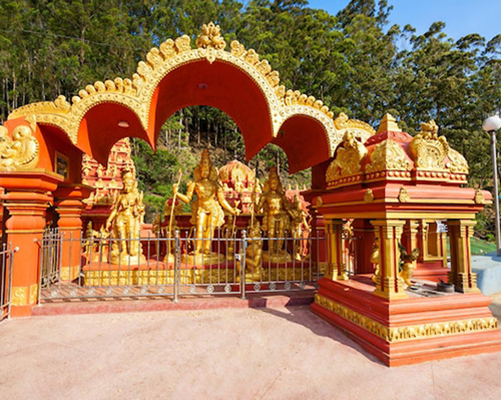
Seetha Amman Temple and Ashok Vatika - Ramayana Heritage
Visit the sacred temple complex where Hindu tradition places Sita's captivity during her abduction by Ravana, connecting Nuwara Eliya to the ancient Ramayana epic. The colorful temple, built at a site where natural springs emerge from rock formations, features elaborate South Indian architectural elements and religious artwork depicting scenes from Rama's story. The nearby Ashok Vatika (Ashoka Grove) contains gardens and meditation areas where pilgrims believe Sita spent time during her captivity, while the temple's location among hills and streams creates a naturally spiritual atmosphere enhanced by religious significance spanning millennia.
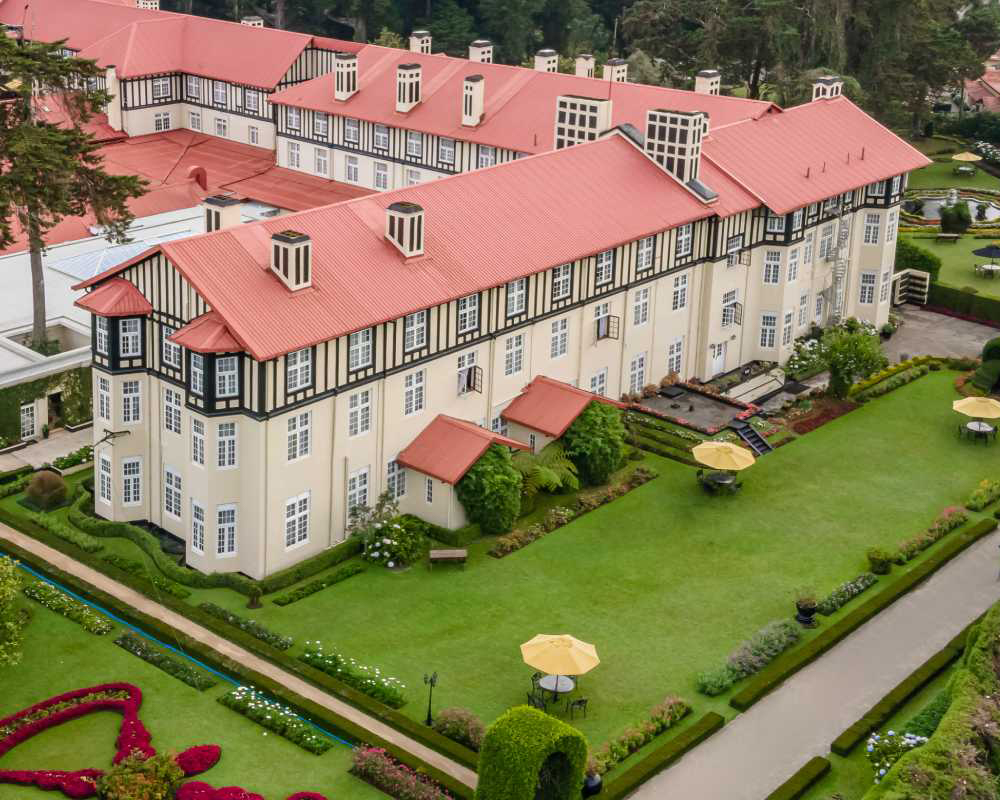
Historic Colonial Architecture - Living Heritage
Experience Nuwara Eliya's unique architectural heritage through its remarkably preserved collection of colonial-era buildings that create an authentic "Little England" atmosphere in tropical highlands. The Grand Hotel, originally built as a governor's residence, exemplifies Tudor Revival architecture with its half-timbered facade, bay windows, and manicured gardens that could grace an English countryside estate. The Hill Club, established in 1876, maintains exclusive colonial traditions including formal dress codes, traditional British cuisine, and vintage decor that transport visitors to Victorian-era Ceylon. St. Andrew's Church, built in 1843, represents early colonial religious architecture with its stone construction and stained-glass windows, while the Post Office and other government buildings demonstrate institutional architecture adapted to mountain conditions.
Cultural Experiences & Living Heritage
Tea Plantation Cultural Immersion
Experience authentic tea estate life where colonial planters once lived, participating in dawn tea plucking, traditional factory processes, and evening tastings that reveal the sophisticated craft of tea production. These experiences include interactions with estate workers whose families have maintained tea-growing traditions for generations, providing insights into both agricultural techniques and cultural heritage of Tamil plantation communities.
Colonial Heritage Tours
Explore Nuwara Eliya's unique colonial legacy through guided tours of historic buildings, clubs, and institutions that preserve British Ceylon's social and architectural heritage. These experiences include access to exclusive venues like the Hill Club, where Victorian traditions continue unchanged, and historic hotels where colonial governors and tea planters established social customs that defined highland society.
Transportation & Access from Major Cities
From Colombo
180 km via A1 and A5 highways (4-5 hours by road), or spectacular train journey (6-7 hours).
From Kandy
77 km via A5 highway (2.5 hours), including scenic mountain roads through tea estates.
From Ella
60 km via A16 highway (2 hours), one of Sri Lanka's most beautiful drives through highland tea country.
From Bandarawela
30 km via mountain roads (1 hour), convenient for southern hill country combinations.
From Hatton
40 km via A7 highway (1.5 hours), alternative route through different tea estate landscapes.
Dining Experiences
Colonial Hotel Dining
Historic hotels serving traditional British cuisine in authentic Victorian settings.
Highland Restaurants
Local establishments specializing in fresh mountain produce and traditional preparations.
Lakeside Dining
Restaurants overlooking Gregory Lake with mountain views and fresh highland air.
Market Fresh Experiences
Farm-to-table dining featuring vegetables and fruits grown in mountain conditions.
Authentic Shopping & Souvenirs
Tea and Agricultural Products
Premium Ceylon Tea
Direct purchases from estate factories offering the freshest high-altitude teas.
Tea Accessories
Traditional tea sets, strainers, and brewing equipment from local craftsmen.
Highland Vegetables
Fresh produce unique to mountain growing conditions, including European varieties.
Preserved Fruits
Traditional jams, jellies, and preserves made from locally grown strawberries and other highland fruits.
Spice Blends
Unique spice combinations developed in the highland tea estates.
Colonial Heritage and Crafts
Antique Reproductions
Colonial-style furniture, decorations, and household items crafted by local artisans.
Highland Textiles
Wool products and traditional weaving created in mountain communities.
Pressed Flower Art
Local artwork featuring highland wildflowers and endemic plant species.
Traditional Handicrafts
Items created by local artisans using indigenous materials and traditional techniques.
Best Times to Visit & Seasonal Highlights
Optimal Weather and Scenery Conditions
Dry Season (December-March)
Clear skies, comfortable temperatures, optimal visibility for mountain views.
Morning Hours (6:00-10:00 AM)
Clearest weather, best mountain visibility, peaceful atmosphere for tea estate visits.
Evening Times (4:00-6:00 PM)
Beautiful sunset lighting, comfortable temperatures, dramatic mountain scenery.
Flower Season (March-May and August-September)
Peak blooming periods for gardens and highland wildflowers.
Seasonal Festival and Cultural Opportunities
April New Year Season
Traditional celebrations combining Sinhalese and Tamil cultural traditions.
Tea Season (Year-round)
Peak plucking periods vary by estate but provide authentic agricultural experiences.
Strawberry Season (December-April)
Fresh fruit harvesting and seasonal festival celebrations.
Seasonal Considerations
Monsoon Season (May-October)
Occasional afternoon showers but lush green landscapes and fewer crowds.
Peak Tourist Season (December-March)
Ideal weather conditions but require early booking for accommodations.
Cool Season Year-Round
Temperatures range 15-20°C requiring warm clothing especially evenings and mornings.
Visitor Guidelines & Practical Information
Climate and Preparation Requirements
Temperature Range
15-20°C (59-68°F) year-round, requiring warm clothing especially evenings and early mornings.
Weather Gear
Light jacket, rain protection, and layered clothing essential for changing mountain conditions.
Sun Protection
High altitude requires strong sunscreen despite cool temperatures.
Footwear
Comfortable walking shoes essential for uneven terrain and garden exploration.
Health and Safety Considerations
Weather Changes
Mountain weather changes rapidly; appropriate clothing and flexibility essential.
Trail Safety
Horton Plains and mountain hikes require proper preparation and guide services.
Cultural Sensitivity and Environmental Responsibility
Tea Estate Etiquette
Respectful behavior during factory visits and interactions with plantation workers.
Environmental Conservation
Responsible tourism practices to protect fragile mountain ecosystems.
Heritage Preservation
Respectful treatment of colonial architecture and cultural sites.
Insider Tips from Dream Lanka Holidays
Hidden Gems and Secret Experiences
Private Tea Tastings
Exclusive sessions with master tea tasters at premium estates.
Sunrise Mountain Experiences
Private early morning tours to optimal viewpoints away from crowds.
Heritage Bungalow Stays
Access to authentic colonial-era accommodations
Professional Photography and Documentation.
Weather Timing Mastery
Optimal conditions for different types of highland photography.
Cultural Photography Ethics
Guidelines for respectfully documenting plantation communities and workers.
Seasonal Specialization
Best times for capturing specific aspects of highland beauty and culture.
Comprehensive FAQ
Experience Nuwara Eliya with Dream Lanka Holidays
Discover the enchanting beauty of Sri Lanka's hill country with our expert guides who transform scenic mountain landscapes into immersive cultural experiences that reveal both natural splendor and fascinating heritage. Our specialized Nuwara Eliya programs combine agricultural tourism with colonial history, ensuring you understand not just the breathtaking beauty but the remarkable human story of how British planters and Tamil workers created one of the world's most beautiful and productive mountain regions.
We provide access to experiences that casual visitors often miss: private tea tastings, exclusive access to heritage colonial venues, overnight stays in authentic plantation bungalows, and connections with multi-generational tea estate families who share their stories and traditions. Our guides, trained in both agricultural expertise and colonial history, help you appreciate the sophisticated cultivation techniques that produce world-famous Ceylon tea while experiencing the unique cultural fusion that makes Nuwara Eliya truly extraordinary.
From practical guidance about optimal weather conditions to profound insights about sustainable highland agriculture and heritage preservation, let Dream Lanka Holidays guide you through Nuwara Eliya's mountain paradise. Experience the cool highlands where emerald tea gardens cascade down misty slopes, where colonial charm blends seamlessly with natural beauty, and where every sunrise over mountain peaks reminds you why this enchanting hill station has captured hearts and inspired dreams for over 150 years.