Jaffna
The Cultural Capital of Tamil Sri Lanka
Journey to the vibrant heart of Tamil culture at Jaffna, Sri Lanka's northern capital where centuries of Tamil civilization flourish in magnificent Hindu temples, colonial Dutch architecture and resilient communities that have preserved rich cultural traditions through decades of challenge and renewal. This historic peninsular city combines profound spiritual significance with cultural authenticity, where the sacred Nallur Kandaswamy Temple draws thousands of devotees in spectacular religious festivals, where traditional Tamil cuisine reaches sophisticated heights in family restaurants unchanged for generations, and where the indomitable spirit of Tamil heritage continues to thrive amid landscapes of exceptional natural beauty including pristine islands accessible only by boat through shallow lagoons. More than just a regional center, Jaffna offers complete cultural immersion: the thunderous energy of Hindu temple ceremonies with elaborate processions and classical music, the architectural wonder of Dutch colonial buildings adapted to tropical Tamil aesthetics, the profound hospitality of Tamil families eager to share their heritage with respectful visitors, and the peaceful exploration of remote islands where traditional fishing communities maintain ways of life that connect directly to ancient maritime traditions.
What Makes Jaffna Extraordinary
Jaffna represents the most authentic and concentrated expression of Tamil culture in Sri Lanka, where over 2,000 years of continuous Tamil civilization have created sophisticated religious, artistic, and social traditions that remain vibrant and authentic despite historical challenges that tested but never destroyed the essential character of this remarkable cultural community. This isn't simply a regional city it's the cultural heartland of Sri Lankan Tamils where ancient Hindu temples demonstrate architectural and artistic achievements that rival the greatest religious sites in South India, where traditional Tamil language, literature, and performing arts continue to flourish through dedicated cultural preservation efforts, and where contemporary Tamil society successfully balances cultural authenticity with modern development aspirations. The region's extraordinary cultural depth encompasses classical Tamil architecture, religious festivals that attract devotees from across the Tamil world, traditional crafts and industries that maintain centuries-old techniques, and culinary traditions that represent the pinnacle of Tamil cuisine developed through generations of cultural refinement. What makes Jaffna truly extraordinary is its resilience and authenticity: a Tamil community that has maintained essential cultural character through centuries of colonial rule, post-independence challenges, and recent conflict periods while emerging with renewed determination to share their heritage with visitors who approach with respect and genuine interest in understanding Tamil culture. The combination of profound religious significance, architectural magnificence, authentic cultural practices, and remarkable community resilience makes Jaffna unique among global cultural destinations, offering visitors transformative experiences that provide deep insights into Tamil civilization while supporting community development and cultural preservation efforts.
Historical Significance
Jaffna's significance as the capital of Tamil Sri Lanka extends back over 2,000 years, with archaeological evidence suggesting continuous Tamil settlement and the development of sophisticated irrigation systems, religious institutions, and trade networks that connected northern Sri Lanka to Tamil Nadu, Southeast Asia, and the broader Indian Ocean commercial world. The establishment of Tamil kingdoms in the medieval period created political and cultural centers that promoted Tamil language, literature, and religious traditions while developing distinctive architectural styles and administrative systems that demonstrated the sophistication of Tamil political organization and cultural achievement. The arrival of Portuguese colonizers in the 16th century brought the first European attempts to control Jaffna's strategic location and productive agricultural systems, though local resistance and cultural resilience prevented complete cultural transformation while selectively adopting beneficial innovations. Dutch conquest in the 17th century marked the beginning of systematic colonial development including the construction of the iconic Jaffna Fort, administrative buildings and infrastructure improvements that enhanced the city's regional importance while introducing architectural styles that blended European and Tamil elements. British colonial administration from 1796 brought educational development, improved transportation links, and administrative integration with the rest of Ceylon, while Tamil communities adapted to colonial opportunities through education, professional development and political participation that enhanced Tamil influence in colonial Sri Lankan society. The post-independence period initially saw continued Tamil cultural and educational development, though increasing ethnic tensions and political conflicts from the 1970s onward created challenges that tested community resilience and cultural preservation efforts while demonstrating the strength of Tamil cultural identity. The end of armed conflict in 2009 marked the beginning of reconstruction and renewal efforts that have focused on rebuilding infrastructure, restoring cultural sites and developing sustainable tourism that showcases Tamil heritage while supporting economic development and community healing processes that benefit all communities in northern Sri Lanka.
Must-Experience Wonders
Nallur Kandaswamy Temple - Sacred Heart of Tamil Hinduism
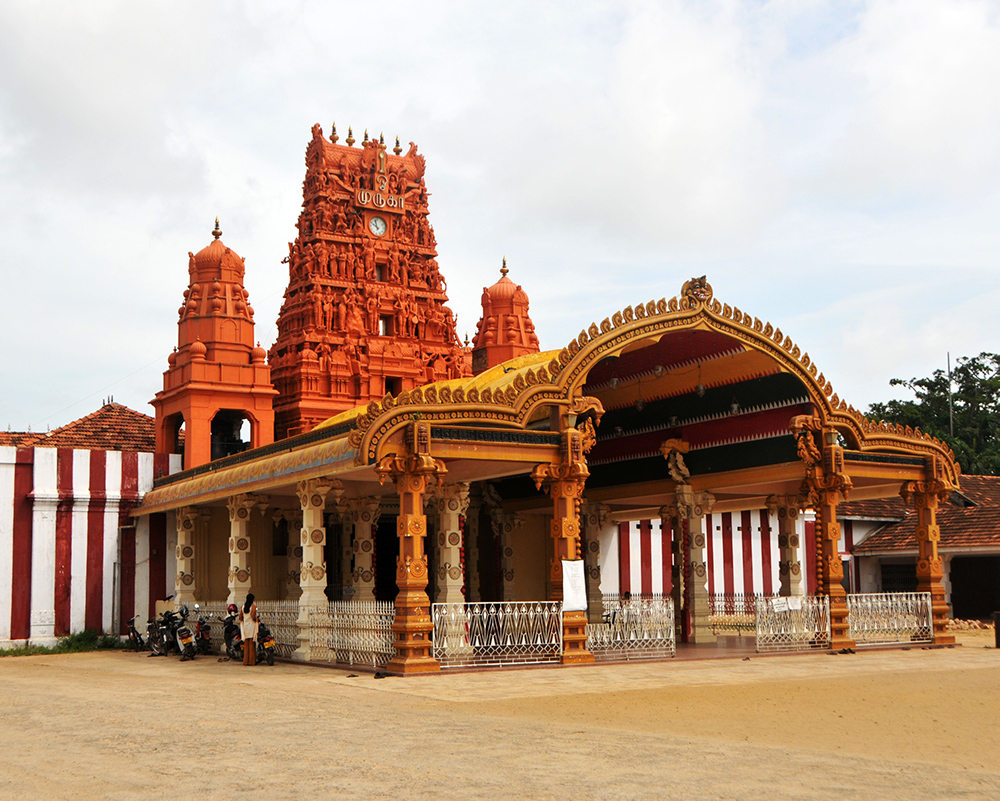
Experience one of Sri Lanka's most important Hindu temples at this magnificent complex dedicated to Lord Murugan, where elaborate Dravidian architecture, intricate religious artwork, and daily ceremonies create profound spiritual experiences that demonstrate the sophistication and devotion of Tamil Hindu traditions. The temple's towering gopuram, ornate mandapams, and sacred sanctums showcase classical Tamil religious architecture while housing priceless religious artifacts, traditional musical instruments and ceremonial objects that represent centuries of religious dedication and artistic achievement. Daily puja ceremonies, religious festivals, and cultural performances provide authentic experiences of living Tamil Hindu culture, while the annual Nallur Festival transforms the temple complex into spectacular celebrations featuring traditional music, dance, and religious processions that attract thousands of devotees from across the Tamil world. The temple's role as both religious center and cultural institution demonstrates how Hindu traditions continue to serve Tamil communities while welcoming respectful visitors interested in understanding the spiritual and cultural foundations of Tamil civilization.
Jaffna Fort and Dutch Colonial Heritage - Architectural Time Capsule
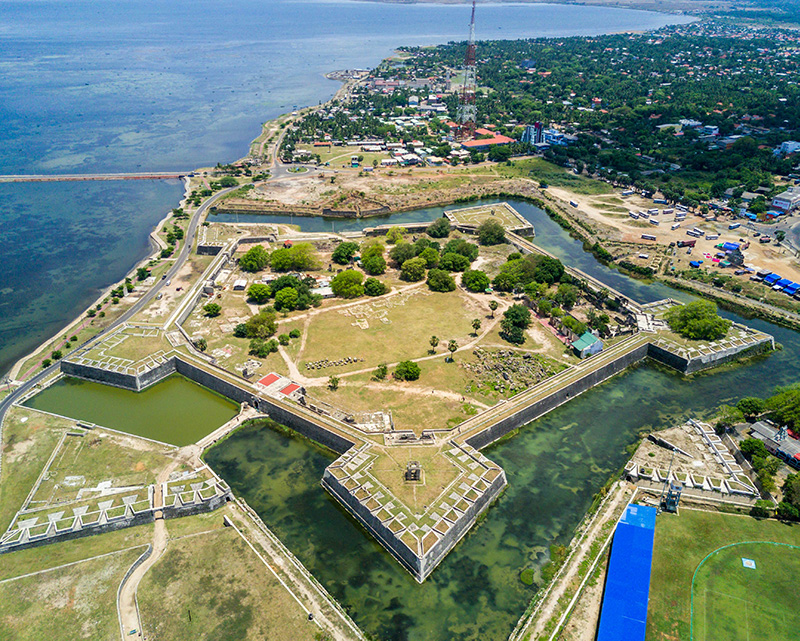
Explore the remarkably preserved Dutch Fort, built in 1680, which represents one of the finest examples of European colonial military architecture adapted to tropical conditions while serving as headquarters for Dutch colonial administration of northern Sri Lanka for over a century. The fort's massive walls, strategic bastions, and interior buildings showcase sophisticated military engineering and urban planning, while recent restoration efforts have revealed architectural details, historical artifacts and defensive systems that demonstrate the strategic importance of Jaffna in colonial trade networks. The fort complex includes the Governor's residence, administrative buildings, religious sites, and military installations that provide comprehensive insights into colonial life and administration, while surrounding areas contain additional Dutch colonial buildings that create an authentic historical district. Educational programs and guided tours explain colonial history, architectural innovations and cultural interactions between European colonizers and Tamil communities while demonstrating how historical preservation can support both cultural education and tourism development that benefits local communities.
Jaffna Public Library and Cultural Heritage - Temple of Tamil Learning
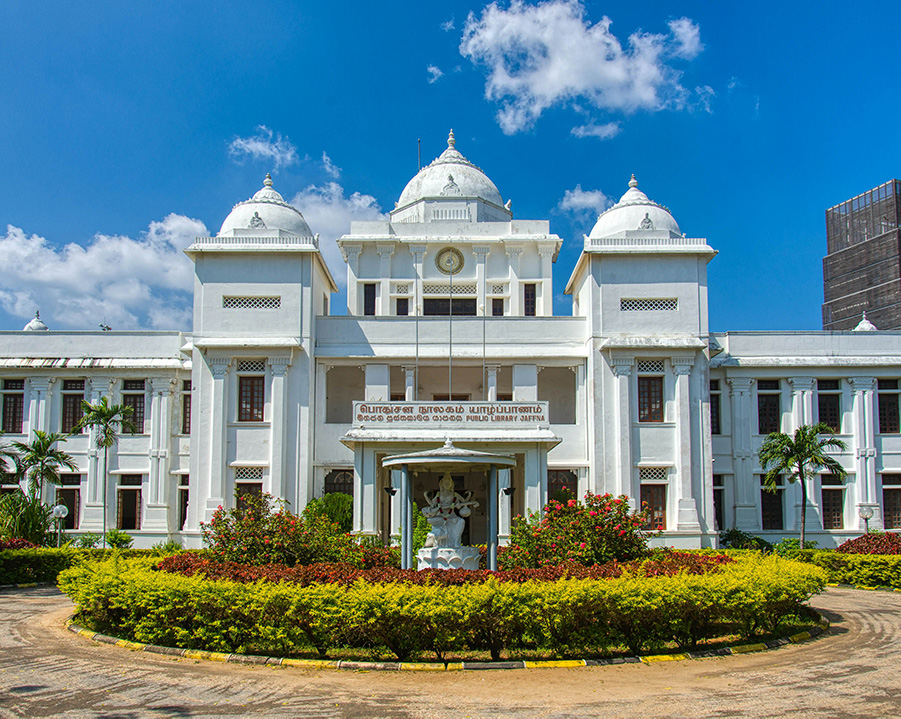
Discover the symbolic heart of Tamil intellectual and cultural life at the reconstructed Jaffna Public Library, which houses one of South Asia's finest collections of Tamil literature, historical manuscripts, and cultural documents while serving as a powerful symbol of Tamil commitment to education, knowledge preservation and cultural continuity. The library's modern architecture incorporates traditional Tamil design elements while providing state-of-the-art facilities for research, education, and cultural programs that serve both local communities and international scholars studying Tamil culture and history. The library's collections include rare manuscripts, historical documents, and contemporary Tamil literature that demonstrate the depth and sophistication of Tamil intellectual traditions, while cultural programs, lectures and exhibitions provide ongoing educational opportunities that promote Tamil culture and intercultural understanding. The library's role as both educational institution and cultural symbol demonstrates the importance that Tamil communities place on education and knowledge preservation while providing visitors with insights into Tamil intellectual achievements and cultural values.
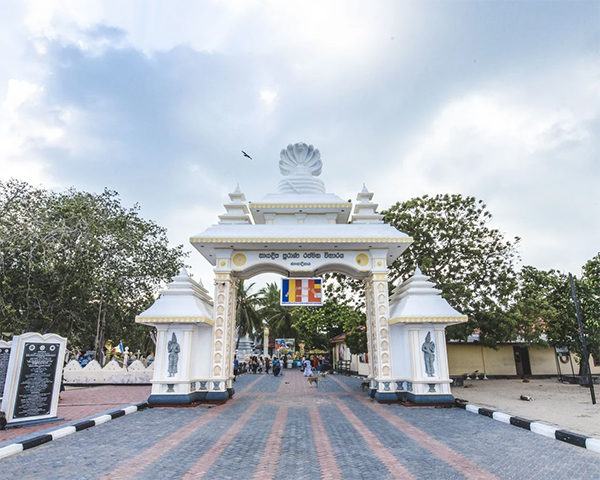
Nagadeepa Buddhist Temple - Interfaith Harmony
Visit this ancient Buddhist temple located on Nagadeepa Island, which demonstrates the religious diversity and interfaith harmony that characterizes northern Sri Lanka while providing peaceful island experiences that combine spiritual significance with natural beauty. The temple's historical importance as one of the sixteen holiest Buddhist sites in Sri Lanka attracts pilgrims from across the Buddhist world, while its location in a predominantly Tamil Hindu region demonstrates the successful coexistence of different religious traditions that has characterized Sri Lankan civilization for centuries. Boat journeys to the island provide scenic experiences through shallow lagoons and coastal waterways, while the temple complex offers peaceful settings for meditation and reflection amid natural surroundings that enhance spiritual experiences. The temple's integration with island ecology and traditional fishing communities demonstrates how religious sites can support both spiritual practice and sustainable community development while preserving cultural heritage and environmental resources.
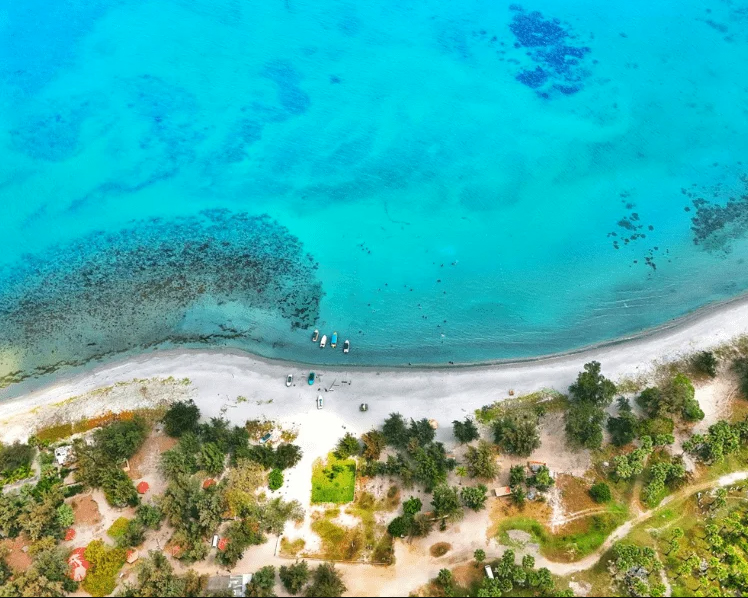
Casuarina Beach and Coastal Paradise - Northern Serenity
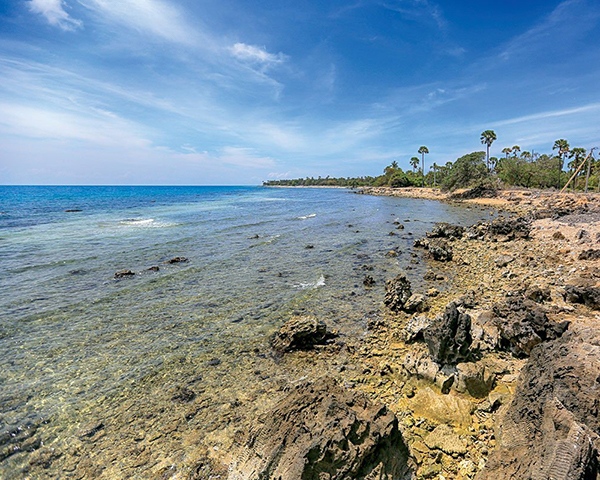
Experience pristine beaches along Jaffna's coastline where white sand, clear turquoise waters, and casuarina tree groves create perfect tropical settings for relaxation and appreciation of northern Sri Lanka's natural beauty largely undisturbed by mass tourism development. The beach's calm conditions and shallow waters make it ideal for swimming and family activities, while surrounding areas provide opportunities for coastal walks, bird watching, and peaceful contemplation of ocean views that extend to the horizon. Traditional fishing boat activities add authentic cultural elements to beach experiences, while beachside restaurants serve fresh seafood and Tamil cuisine in casual settings that demonstrate local hospitality and culinary traditions. The beach's pristine condition and peaceful atmosphere provide perfect alternatives to more active cultural and historical exploration while demonstrating the natural beauty that complements Jaffna's rich cultural heritage.
Delft Island and Remote Island Adventures - Time Capsule Exploration
Discover the unique culture and history of Delft Island, accessible by ferry through scenic coastal waters, where wild horses roam freely across landscape dotted with ancient ruins, colonial remnants, and traditional fishing communities that maintain isolated island lifestyles largely unchanged for generations. The island's remarkable features include ancient coral formations, Dutch colonial buildings, traditional wells, and archaeological sites that demonstrate centuries of human habitation and adaptation to island conditions. Wild horse populations, believed to be descendants of animals left by Portuguese colonizers, create unique wildlife encounters while traditional fishing and agriculture demonstrate sustainable island livelihoods adapted to limited resources and isolation. Guided island tours reveal historical sites, explain traditional lifestyles, and provide insights into island ecology while boat journeys to and from the island create scenic experiences through coastal waters that demonstrate the maritime character of northern Sri Lankan geography and culture.
Cultural Experiences & Living Heritage
Tamil Cultural Festivals and Religious Celebrations
Experience authentic Tamil culture through participation in religious festivals, cultural celebrations, and traditional ceremonies that demonstrate the vibrancy and continuity of Tamil traditions while providing opportunities for respectful cultural exchange and learning. These experiences include temple festivals, classical music and dance performances, and traditional craft demonstrations that reveal the sophistication and beauty of Tamil cultural expressions while supporting community cultural preservation efforts.
Transportation & Access from Major Cities
From Colombo
400 km via A9 highway (6-7 hours), requiring commitment but offering diverse landscapes and cultural transition.
From Anuradhapura
210 km via A9 highway (4 hours), excellent combination of ancient Sinhalese and Tamil heritage.
From Trincomalee
200 km via A6 and A9 highways (4 hours), perfect for combining eastern and northern cultural experiences.
From Kandy
300 km via A1 and A9 highways (6 hours), comprehensive cultural journey across different regions.
From Vavuniya
100 km via A9 highway (2 hours), convenient intermediate stop with cultural transition experiences.
Dining Experiences
Hindu Temple Food
Vegetarian meals served at temple complexes during festivals and special occasions.
Seafood Specialties
Fresh coastal catches prepared using traditional Tamil recipes and cooking methods.
Street Food Culture
Authentic Tamil snacks and traditional preparations available from local vendors.
Authentic Shopping & Souvenirs
Tamil Cultural and Religious Items
Traditional Hindu Religious Articles
Authentic prayer items, religious artwork and ceremonial objects used in Tamil Hindu worship.
Tamil Literature and Books
Tamil language publications, poetry and cultural materials representing Tamil intellectual traditions.
Classical Music Instruments
Traditional Tamil musical instruments and recordings of classical Tamil music.
Religious Art and Sculptures
Traditional Tamil religious artwork and sculptures created by local artisans.
Cultural Performance Accessories
Traditional costumes, jewelr, and accessories used in Tamil cultural performances.
Local Crafts and Traditional Items
Palmyra Leaf Products
Traditional items created from palmyra palm materials using centuries-old techniques.
Tamil Traditional Textiles
Handwoven fabrics and clothing representing Tamil textile traditions and cultural aesthetics.
Traditional Jewelry
Handcrafted jewelry featuring traditional Tamil designs and precious materials.
Handmade Pottery
Traditional ceramic items created using techniques passed down through generations.
Best Times to Visit & Seasonal Highlights
Optimal Cultural and Weather Conditions
Dry Season (May-September)
Comfortable weather for extensive cultural exploration and temple visits.
Festival Seasons
Various Tamil Hindu festivals throughout the year providing authentic cultural experiences.
Cool Season (December-February)
Most comfortable temperatures for comprehensive cultural touring.
Temple Festival Calendar
Major religious celebrations including Nallur Festival and other significant observances.
Seasonal Cultural and Natural Highlights
Religious Festival Calendar
Major Tamil Hindu celebrations providing authentic cultural and spiritual experiences.
Cultural Performance Seasons
Classical Tamil music and dance performances during festival periods.
Beach and Coastal Activities
Generally favorable conditions year-round with seasonal weather variations.
Seasonal Considerations
Northeast Monsoon (October-February)
Occasional rainfall but generally favorable conditions for cultural activities.
Southwest Monsoon (May-September)
Limited rainfall in northern regions with good conditions for cultural exploration.
Festival Crowd Considerations
Popular festival periods requiring advance accommodation planning.
Visitor Guidelines & Practical Information
Cultural and Religious Sensitivity
Temple Etiquette
Appropriate dress, behavior and photography guidelines for Hindu religious sites.
Cultural Respect
Understanding Tamil customs, traditions and appropriate interaction with local communities.
Religious Observances
Respectful participation in or observation of religious ceremonies and cultural events.
Language and Communication
Tamil Language
Basic Tamil phrases appreciated by local communities, though English widely understood.
Cultural Communication
Understanding cultural norms and appropriate ways to interact with Tamil communities.
Safety and Practical Considerations
Regional Travel
Understanding current conditions and appropriate preparation for northern region travel.
Health Facilities
Available medical services and pharmacy access in Jaffna and surrounding areas.
Accommodation Planning
Advance booking recommended, especially during festival periods.
Currency and Banking
ATM availability and currency exchange in main town areas.
Insider Tips from Dream Lanka Holidays
Authentic Cultural Experiences and Community Connections
Festival Participation
Authentic involvement in Tamil Hindu festivals and religious celebrations.
Hidden Cultural Gems and Historical Insights.
Lesser-Known Temples
Access to smaller temples and religious sites away from main tourist circuits.
Historical Site Exploration
Detailed exploration of colonial architecture and archaeological sites with expert guides.
Comprehensive FAQ
Experience Jaffna with Dream Lanka Holidays
Discover the vibrant heart of Tamil Sri Lanka with our expert cultural guides who transform ancient temples and colonial architecture into profound encounters with living Tamil civilization that combines spiritual depth, architectural magnificence, and resilient community traditions that have flourished for over 2,000 years in Sri Lanka's cultural northern capital. Our specialized Jaffna programs balance religious and cultural exploration with authentic community encounters, ensuring you experience not just the spectacular temples and historical sites but the genuine hospitality and rich traditions that make Tamil culture in Jaffna truly extraordinary.
We provide access to experiences that casual visitors often miss: private temple ceremonies with Hindu priests who share profound spiritual insights and cultural knowledge, participation in religious festivals and cultural celebrations that reveal the vibrancy of contemporary Tamil culture, and visits to traditional craft workshops where master artisans demonstrate skills passed down through generations. Our guides, trained in both Tamil cultural history and contemporary community development, help you navigate complex cultural sites while understanding the historical contexts and contemporary challenges that make Jaffna's cultural preservation efforts so remarkable and inspiring.
From practical guidance about temple etiquette and cultural sensitivity to profound insights about Tamil civilization and community resilience, let Dream Lanka Holidays guide you through Jaffna's cultural treasures. Experience the authentic heart of Tamil Sri Lanka where magnificent Hindu temples demonstrate architectural and spiritual achievements, where colonial history blends with Tamil heritage in unique cultural synthesis, and where every cultural encounter reminds you why Jaffna remains one of South Asia's most authentic and inspiring destinations for understanding the depth, beauty and resilience of Tamil civilization.