Haputale
The Spectacular Edge of the World
Perch on the dramatic precipice of Sri Lanka's southern highlands at Haputale, where misty mountain ridges plunge into emerald valleys and breathtaking viewpoints offer some of the most spectacular panoramas in the country. Situated at 1,431 meters above sea level along the southern escarpment of the Central Highlands, this charming hill station combines jaw-dropping natural beauty with serene mountain atmosphere, where the world seems to fall away at your feet from clifftop viewpoints, where ancient tea estates cascade down impossible slopes, and where every sunrise and sunset paints the sky in colors that defy description. More than just a scenic destination, Haputale offers an authentic mountain experience away from crowds: peaceful walks through cloud forests, encounters with traditional tea plantation culture, and moments of pure tranquility where the only sounds are mountain winds and distant bird calls echoing across valleys that stretch to the southern coast.
What Makes Haputale Extraordinary
Haputale represents the dramatic edge of Sri Lanka's hill country, where the Central Highlands meet the southern plains in a spectacular geological transition that creates some of the island's most breathtaking viewpoints and diverse ecosystems. This isn't simply a mountain town it's a natural observation deck perched on precipitous cliffs where visitors can literally see the curvature of the earth as tea-covered mountains give way to coastal plains stretching to the Indian Ocean. The region's extraordinary topography creates multiple microclimates within a compact area: cool mountain peaks shrouded in morning mist, sun-drenched southern slopes perfect for tea cultivation, and protected valleys where endemic species thrive in pristine cloud forests. What makes Haputale truly extraordinary is its authentic character as a working tea town where traditional plantation life continues largely unchanged, where narrow mountain roads wind past estate bungalows and factory chimneys, and where the rhythm of daily life follows the ancient patterns of highland agriculture. The town's strategic position along the railway line creates spectacular train journeys that rank among the world's most scenic, while its compact size and genuine local atmosphere offer travelers an intimate mountain experience far from the commercialized tourism of larger hill stations. The cultural landscape tells fascinating stories of colonial tea pioneers who carved impossible gardens from clifftop wilderness, Tamil plantation workers who created thriving communities in remote mountain settings, and contemporary conservationists working to preserve the unique ecosystems that make this edge of the world location truly special.
Historical Significance
Haputale's development as a mountain settlement began in the late 19th century when British colonial planters recognized the dramatic southern slopes' perfect conditions for high-altitude tea cultivation, transforming precipitous wilderness into some of Ceylon's most productive and scenic tea estates. The region's strategic location along ancient trade routes connecting the hill country to southern ports made it an important waystation for merchants and travelers, while its elevation and climate attracted colonial administrators seeking relief from tropical heat and humidity of lower elevations. The construction of the railway line from Colombo to Badulla in the early 20th century marked Haputale's transformation from remote plantation outpost to accessible mountain destination, creating one of the world's most spectacular train routes that passes directly through tea estates clinging to impossible mountainsides. The town's golden age coincided with the peak of Ceylon's tea industry when estates like Dambatenne, established by Scottish tea pioneer James Taylor's successors, produced premium high-altitude teas that commanded top prices in London markets while creating architectural landmarks that still define the region's character. Post-independence development focused on preserving Haputale's authentic plantation atmosphere while gradually opening the region to sustainable tourism that showcases both natural beauty and cultural heritage without overwhelming the delicate mountain environment. The town's evolution reflects broader changes in Sri Lanka's hill country, from colonial plantation economy to modern eco-tourism, while maintaining its essential character as a working tea town where traditional life continues amid some of the world's most spectacular mountain scenery.
Must-Experience Wonders
Lipton's Seat - The Ultimate Tea Country Vista
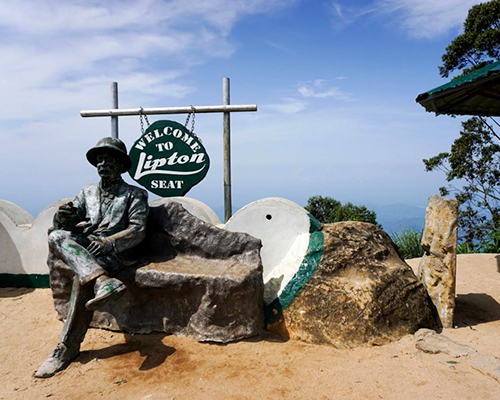
Named after the famous tea magnate Sir Thomas Lipton, this spectacular viewpoint at 1,970 meters elevation offers arguably Sri Lanka's most dramatic panoramic views across seven provinces on clear days, encompassing tea estates, mountain ranges, and southern plains stretching to the distant ocean. The challenging but rewarding hike or drive to the summit passes through Dambatenne Tea Estate, where traditional processing methods continue in historic factories surrounded by perfectly manicured tea gardens that seem to defy gravity on impossible slopes. The viewpoint itself provides 360-degree vistas that reveal the full scope of Sri Lanka's highland geography, from misty peaks of the Central Highlands to sun-drenched coastal plains, creating a natural amphitheater where visitors can literally see the edge of the world. Early morning visits offer optimal conditions when morning mist creates dramatic cloud formations and clear air provides maximum visibility across the spectacular landscape.
Adisham Monastery - The English Country Manor
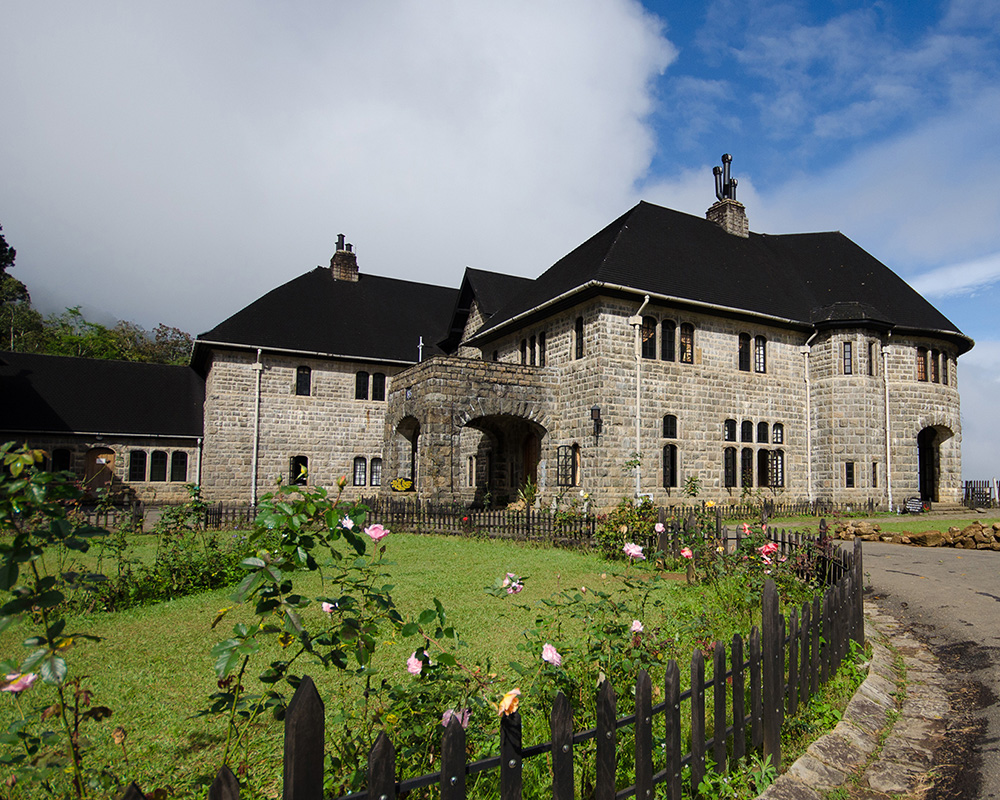
This remarkable Tudor-style mansion, built in 1931 by British colonial administrator Sir Thomas Villiers and now serving as an active Catholic monastery, represents one of Sri Lanka's most unique architectural treasures nestled amid pristine mountain forests. The building's authentic English country house design, complete with stone construction, leaded windows, and formal gardens, creates an almost surreal atmosphere where visitors feel transported to the English countryside while surrounded by tropical highland scenery. The monastery's peaceful gardens showcase both temperate and tropical flora thriving in the unique mountain climate, while the building itself houses religious artifacts, historical exhibits and architectural details that demonstrate the remarkable ambitions of colonial-era construction in remote mountain locations. The site's integration with surrounding cloud forests provides opportunities for nature walks where endemic bird species and rare orchids thrive in protected habitat enhanced by the monastery's conservation efforts.
Dambatenne Tea Factory and Estate - Living Tea Heritage
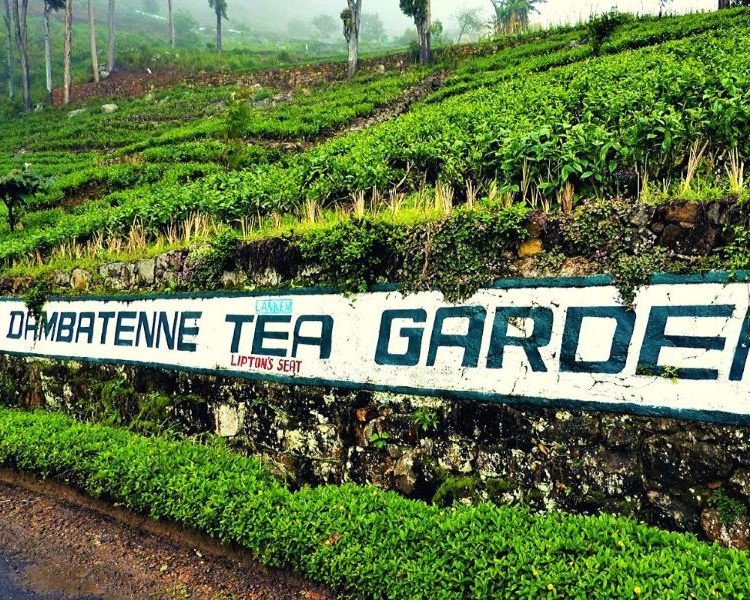
Explore one of Sri Lanka's most historic and scenic tea estates, established in 1890 and still operating with traditional methods that demonstrate the authentic craft of high-altitude tea production amid spectacular mountain scenery. The factory tour reveals withering, rolling, fermenting and firing processes that create distinctive flavors of premium Ceylon tea, while expert guides explain how elevation, climate and traditional techniques combine to produce teas considered among the world's finest. The estate's dramatic location on precipitous mountainsides showcases both agricultural ingenuity and natural beauty, where tea gardens seem to hang in mid-air above valleys that plunge toward the southern plains. The experience includes traditional tea tastings that reveal subtle differences between various grades and processing methods, while plantation walks provide insights into the lives and traditions of Tamil families who have maintained tea cultivation skills for generations.
Idalgashinna Station and Railway Experiences
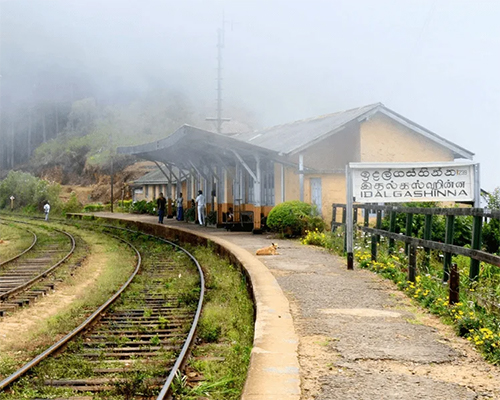
One of Sri Lanka's highest railway stations, Idalgashinna provides access to spectacular train journeys through some of the country's most dramatic mountain scenery while serving as a charming example of colonial railway architecture adapted to extreme mountain conditions. The station's location offers dramatic views across tea estates and mountain valleys, while the building itself showcases architectural adaptations necessary for high-altitude construction including steep roofs, thick walls and specialized ventilation systems. Train journeys from this elevation provide constantly changing panoramic views as the railway navigates tunnels, bridges, and spiral loops through terrain so challenging that early engineers considered the route impossible. The experience combines appreciation for colonial engineering achievement with scenic beauty as passengers enjoy spectacular vistas while the train dramatically descends from highland peaks toward lower elevations.
Cultural Experiences & Living Heritage
Tea Plantation Community Life
Experience authentic highland plantation culture through visits to estate worker communities where Tamil families have maintained traditional life patterns for over a century, sharing stories of migration, adaptation, and cultural preservation in mountain settings. These immersive experiences include participation in traditional tea plucking methods, community cooking practices using locally grown ingredients, and cultural exchanges that reveal the rich heritage of plantation communities often overlooked by casual visitors. Local families demonstrate traditional crafts, music and religious practices that have evolved uniquely in Sri Lanka's mountain environment.
Transportation & Access from Major Cities
From Colombo
220 km via A4 and A16 highways (6 hours by road), or spectacular train journey (8-9 hours).
From Kandy
140 km via A5 and A16 highways (4 hours), beautiful mountain drive through diverse highland landscapes.
From Nuwara Eliya
40 km via A16 highway (1.5 hours), scenic route through prime tea country.
From Ella
15 km via local mountain roads (45 minutes), convenient combination for hill country touring.
From Bandarawela
8 km via A16 highway (20 minutes), easy access for southern highland exploration.
Dining Experiences
Local Family Restaurants
Authentic Sri Lankan cuisine prepared by highland families using traditional methods.
Tea Factory Cafes
Simple but fresh meals served at working tea estates with panoramic mountain vistas.
Mountain hotel Settings
International cuisine adapted to local ingredients and high-altitude conditions.
Authentic Shopping & Souvenirs
Tea and Agricultural Products
Premium High-Altitude Teas
Direct purchases from estate factories offering the freshest mountain-grown Ceylon teas.
Traditional Tea Accessories
Locally crafted tea sets, strainers, and brewing equipment made by highland artisans.
Highland Spices and Herbs
Medicinal plants and culinary spices cultivated in mountain conditions.
Organic Produce
Fresh vegetables, fruits and preserves made from crops grown in highland gardens.
Traditional Honey
Raw honey harvested from mountain apiaries in pristine forest environments.
Local Crafts and Heritage Items
Handwoven Mountain Textiles
Traditional fabrics created by highland communities using indigenous materials.
Wooden Handicrafts
Carved items featuring local wildlife, plantation themes, and traditional designs.
Colonial Memorabilia
Reproductions and authentic items from the tea plantation era.
Natural Cosmetics
Traditional preparations using highland herbs and natural ingredients.
Photography and Art
Local artwork featuring Haputale's spectacular landscapes and cultural heritage.
Best Times to Visit & Seasonal Highlights
Optimal Weather and Visibility Conditions
Dry Season (December-March)
Clear skies, stable weather, maximum visibility for panoramic mountain views.
Early Morning Hours (5:30-8:30 AM)
Best conditions for sunrise photography and clear mountain visibility.
Late Afternoon (4:30-6:30 PM)
Beautiful lighting for landscape photography and dramatic sunset views.
Clear Weather Windows
Optimal conditions for viewpoint visits and mountain photography.
Seasonal Natural and Cultural Highlights
Northeast Monsoon (October-January)
Occasional rainfall but excellent visibility and comfortable temperatures.
Inter-Monsoon Period (March-April)
Generally clear weather with spectacular morning and evening views.
Tea Harvesting Seasons
Year-round opportunities to observe traditional plucking and processing activities.
Wildflower Blooming
Various seasons for different endemic species and highland garden displays.
Seasonal Considerations
Southwest Monsoon (May-September)
Afternoon showers possible but generally brief with enhanced waterfall activity.
Peak Visibility Season (December-February)
Clearest conditions but requiring advance accommodation booking.
Temperature Variations
Cool mountain conditions year-round requiring warm clothing for early morning activities.
Visitor Guidelines & Practical Information
Climate and Physical Preparation
Temperature Range
12-22°C (54-72°F) year-round, requiring warm clothing especially for early morning activities.
High-Altitude Considerations
Elevation effects possible; gradual acclimatization and proper hydration important.
Weather Variability
Mountain conditions change rapidly; flexible planning and appropriate gear essential.
Physical Fitness
Good fitness recommended for viewpoint hikes and mountain walking activities.
Safety and Mountain Guidelines
Viewpoint Safety
Caution required at clifftop locations; designated viewing areas and proper footwear essential.
Trail Preparation
Local guides recommended for forest walks and remote area exploration.
Weather Awareness
Sudden changes possible; monitoring conditions and flexible planning important.
Environmental and Cultural Responsibility
Tea Estate Etiquette
Respectful behavior during factory visits and interactions with plantation workers.
Conservation Awareness
Understanding fragile mountain ecosystems and minimizing environmental impact.
Insider Tips from Dream Lanka Holidays
Hidden Gems and Secret Viewpoints
Alternative Mountain Trails
Lesser-known routes offering spectacular views without main tourist crowds.
Photography Secret Locations
Optimal spots and timing for capturing Haputale's dramatic landscapes.
Local Community Encounters
Authentic cultural experiences away from standard tourist circuits.
Professional Photography and Adventure Guidance
Equipment Recommendations
Specific gear for high-altitude photography and changing weather conditions.
Timing Optimization
Best conditions for various activities, weather patterns, and seasonal variations.
Safety Protocols
Professional guidance for mountain activities and viewpoint visits.
Comprehensive FAQ
Experience Haputale with Dream Lanka Holidays
Discover the spectacular edge of Sri Lanka's hill country with our expert guides who transform dramatic mountain landscapes into profound experiences that combine breathtaking natural beauty, authentic cultural encounters, and peaceful mountain atmosphere away from crowded tourist circuits. Our specialized Haputale programs balance spectacular viewpoints with intimate cultural experiences, ensuring you understand not just the visual magnificence but the authentic plantation heritage and traditional life that continue in this remarkable mountain setting.
We provide access to experiences that casual visitors often miss: exclusive visits to working tea estates where traditional methods continue unchanged, sunrise experiences at dramatic viewpoints in perfect solitude, authentic encounters with plantation families who share their stories and traditions, and insider knowledge about optimal conditions for photography and mountain activities. Our guides, trained in both highland geography and plantation culture, help you safely navigate mountain terrain while sharing stories of colonial tea pioneers, traditional agriculture, and contemporary conservation efforts that preserve Haputale's unique character.
From practical guidance about weather patterns and mountain safety to profound insights about sustainable highland agriculture and cultural preservation, let Dream Lanka Holidays guide you through Haputale's spectacular landscapes. Experience the authentic edge of the world where tea gardens cling to impossible cliffs, where morning mist reveals valleys stretching to distant oceans, and where every sunset over mountain ridges reminds you why this dramatic highland destination offers some of Sri Lanka's most spectacular and authentic mountain experiences.