Yala National Park
The Ultimate Sri Lankan Wildlife Safari
Enter Sri Lanka's premier wildlife sanctuary at Yala National Park, where the highest concentration of leopards in the world roams through diverse ecosystems that support over 215 bird species, 44 mammal species, and countless reptiles and amphibians in 979 square kilometers of pristine wilderness that showcases the extraordinary biodiversity of the Indian subcontinent. This magnificent national park combines thrilling game drives with spectacular natural beauty, where majestic Sri Lankan elephants gather at ancient watering holes, where elusive leopards hunt from rocky outcrops overlooking vast grasslands, and where vibrant peacocks display their magnificent plumage against backdrops of ancient ruins and pristine beaches that make Yala unique among world wildlife destinations. More than just a safari park, Yala offers complete wilderness immersion: the primal excitement of tracking apex predators through their natural habitat, the peaceful contemplation of diverse bird life in lagoon ecosystems, the archaeological wonder of 2,000-year-old Buddhist monasteries hidden within jungle landscapes, and the profound connection with nature that comes from experiencing one of Earth's last great wildlife sanctuaries in its pristine, protected glory.
What Makes Yala Extraordinary
Yala National Park represents one of the world's most successful wildlife conservation stories, where careful protection and management have created optimal conditions for endangered species recovery while maintaining diverse ecosystems that support extraordinary biodiversity from coastal lagoons and pristine beaches to dense jungle and open grasslands within a single protected area. This isn't simply a safari destination it's a comprehensive wilderness experience where multiple ecosystems create varied habitats that support different species communities, where ancient ruins demonstrate thousands of years of human-wildlife coexistence, and where modern conservation science ensures that wildlife populations thrive while providing sustainable tourism opportunities that fund continued protection efforts. The park's extraordinary leopard population, estimated at one leopard per square kilometer in some areas, creates the world's best opportunities for observing these magnificent cats in their natural habitat, while healthy populations of elephants, sloth bears, crocodiles and hundreds of bird species provide diverse wildlife encounters during every safari excursion. What makes Yala truly extraordinary is its accessibility and reliability: well-maintained safari routes that maximize wildlife viewing opportunities while minimizing environmental impact, experienced guides who combine scientific knowledge with traditional tracking skills, and infrastructure that provides comfortable accommodations and services while preserving the wilderness character that makes wildlife experiences authentic and transformative. The combination of exceptional wildlife diversity, reliable animal sightings, beautiful natural settings and professional safari operations makes Yala unique among global wildlife destinations, offering visitors profound connections with nature's most magnificent creatures in settings that inspire both wonder and conservation commitment.
Historical Significance
Yala's protection as a wildlife sanctuary began in 1900 when British colonial administrators recognized the area's exceptional biodiversity and established it as a game reserve, making it one of Sri Lanka's oldest protected areas and demonstrating early understanding of the importance of habitat conservation for species survival. The region's cultural history extends back over 2,000 years, with archaeological evidence revealing ancient Buddhist monasteries, irrigation systems and settlement sites that demonstrate sophisticated civilizations that coexisted successfully with wildlife populations through sustainable land use practices and religious traditions that emphasized harmony with natural environments. The discovery of Sithulpahuwa and other ancient monastic complexes within current park boundaries reveals how Buddhist philosophy and practice created conservation ethics that protected wildlife and forest resources centuries before modern environmental science developed similar understanding of ecosystem relationships and species protection needs. Post-independence Sri Lanka expanded protection efforts and established modern park management systems that balance wildlife conservation with scientific research and sustainable tourism development, creating management models that serve as examples for wildlife conservation efforts throughout South Asia and other tropical regions. The park's designation as a national park in 1938 reflected growing understanding of the importance of ecosystem protection, while subsequent expansions and improved management have created one of the region's most successful wildlife conservation programs that demonstrates how proper protection can restore and maintain healthy wildlife populations. Contemporary conservation challenges including human-wildlife conflict, climate change impacts and tourism pressure have sparked innovative management approaches that combine traditional knowledge with modern science to ensure that future generations can continue to experience the wildlife spectacles that make Yala extraordinary. The park's success in maintaining healthy populations of endangered species while providing economic benefits to local communities demonstrates how conservation and sustainable development can work together to protect natural heritage while supporting human livelihoods and regional economic development.
Must-Experience Wonders
Leopard Tracking Safari - The Ultimate Predator Encounter
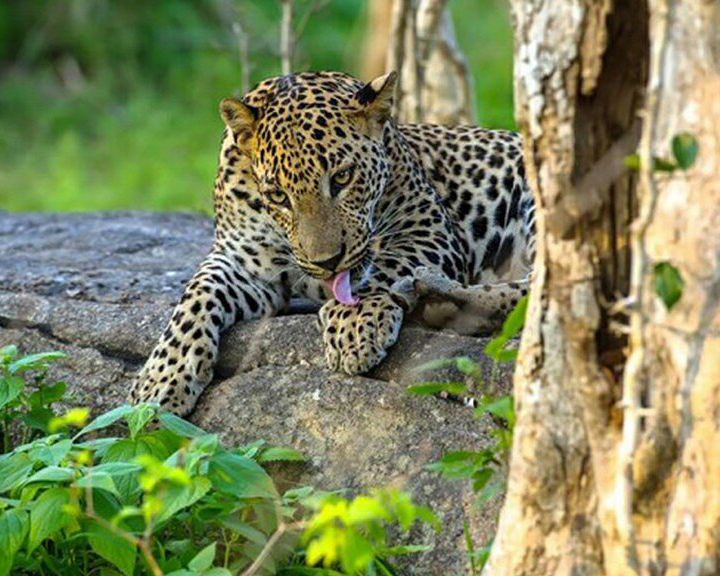
Experience the world's best leopard viewing opportunities through professional safari excursions that take advantage of Yala's exceptional leopard density to provide reliable encounters with these magnificent cats in their natural hunting and territorial behaviors. The park's open terrain, numerous rocky outcrops and experienced guides create optimal conditions for observing leopard activities including hunting, territorial marking, family interactions and the spectacular sight of these powerful cats resting on prominent rocks that serve as territorial vantage points. Professional naturalist guides use radio communication networks and traditional tracking skills to locate leopard activity while ensuring that tourism activities remain respectful of natural behaviors and do not interfere with essential wildlife activities. The thrill of encountering apex predators in pristine wilderness settings creates life-changing experiences that connect visitors to the power and beauty of wild nature while supporting conservation efforts that protect these endangered cats and their essential habitat requirements.
Elephant Gathering Spectacles - Giants of the Wild
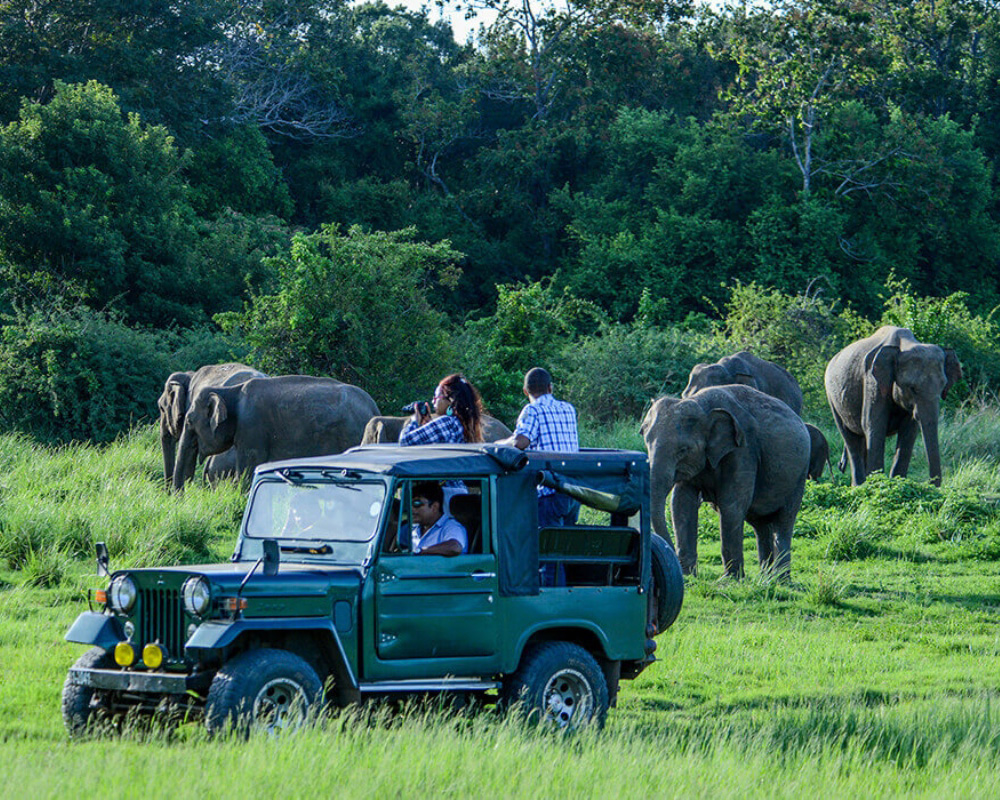
Witness extraordinary elephant congregation sites where herds gather at permanent water sources, creating spectacular wildlife displays that showcase complex social behaviors, family relationships and the gentle giants' remarkable intelligence and emotional depth. Yala's diverse habitats support both resident elephant populations and seasonal migrations that create varying opportunities for elephant encounters, from solitary bulls to large family groups that include playful calves and protective matriarchs. The park's water holes and lagoon systems provide essential resources that concentrate elephant activity during dry seasons, while the variety of vegetation zones supports different feeding behaviors that demonstrate elephants' ecological role as ecosystem engineers whose activities create habitat conditions that benefit numerous other species. Observing elephant behavior provides insights into complex social structures, communication methods and conservation challenges that face Asian elephants throughout their range, while the emotional impact of close encounters with these intelligent creatures inspires lasting commitment to wildlife protection efforts.
Bird Paradise Diversity - Avian Wonderland
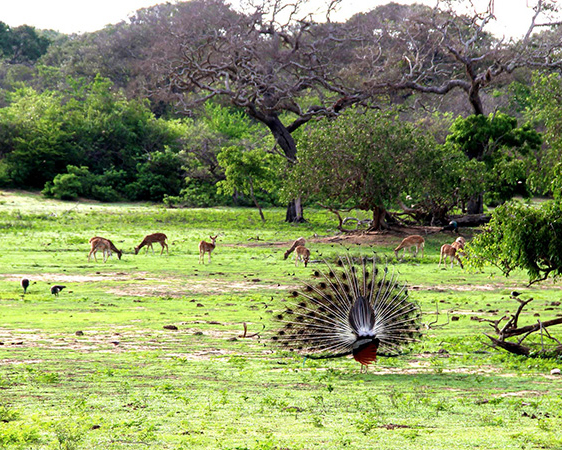
Explore one of Sri Lanka's premier bird watching destinations where diverse habitats support over 215 species including endemic species found nowhere else in the world, seasonal migrants from across Asia and spectacular displays of resident species that create constantly changing opportunities for bird observation and photography. The park's ecosystem diversity from coastal lagoons and mangrove areas to forest canopies and grassland environments creates varied bird habitats that support different species communities, while seasonal variations bring migratory species that enhance already exceptional resident bird diversity. Professional bird guides provide species identification, behavior explanation and optimal positioning advice that maximizes bird watching experiences while ensuring that human activities do not disturb sensitive nesting or feeding behaviors. The combination of endemic species, spectacular displays by peacocks and other colorful birds, and diverse ecosystem representatives makes Yala exceptional for both serious bird watchers and casual nature observers seeking beautiful wildlife encounters.
Coastal Wildlife and Beach Ecosystems - Ocean Wilderness Interface
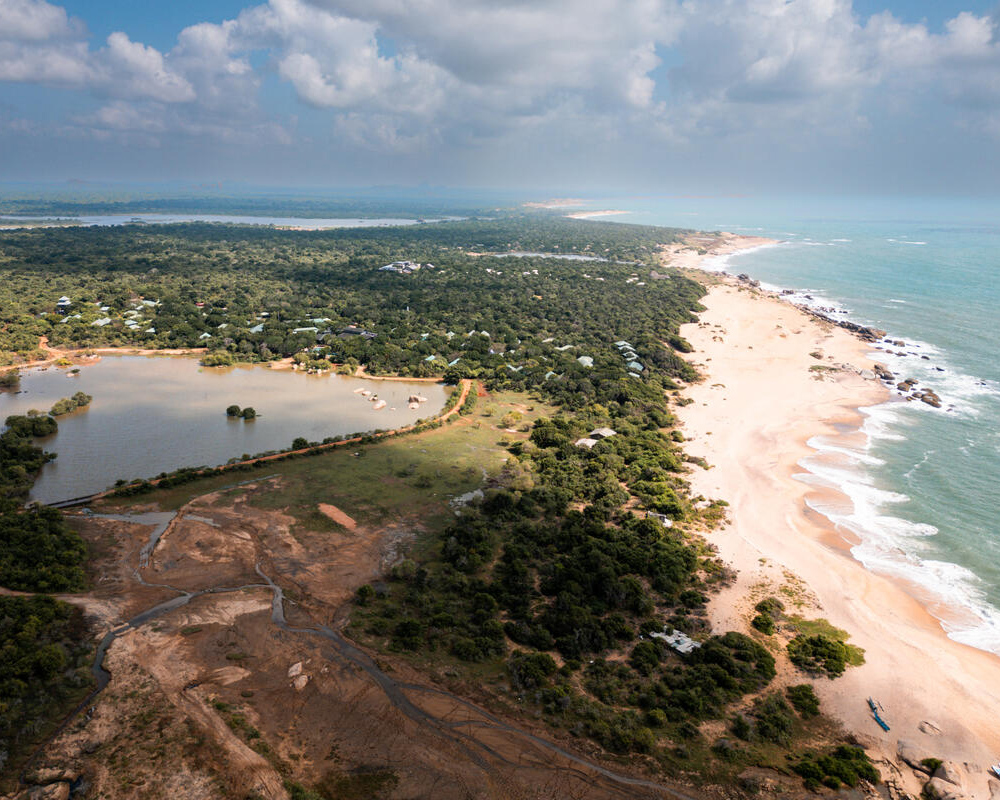
Experience the unique combination of wildlife safari and pristine beach environments where park boundaries extend to the Indian Ocean, creating opportunities to observe both terrestrial and marine wildlife in settings that demonstrate the connectivity between different ecosystem types. The coastal areas support different species communities including sea birds, marine reptiles and specialized plant communities adapted to salt spray and shifting sand conditions, while providing spectacular scenic backdrops for wildlife photography and peaceful contemplation. Traditional fishing activities by local communities demonstrate sustainable resource use practices that complement conservation efforts, while the pristine beach environments provide peaceful settings for relaxation between intense wildlife viewing activities. The combination of safari excitement with beach tranquility creates balanced wilderness experiences that appeal to diverse interests and activity preferences while showcasing the remarkable ecosystem diversity that makes Yala extraordinary.
Cultural Experiences & Living Heritage
Traditional Tracker and Guide Training
Learn from experienced local guides who combine traditional wildlife tracking knowledge with modern conservation science, sharing ancestral skills including animal behavior interpretation, track identification, and habitat assessment that represent generations of accumulated wisdom about wildlife and wilderness survival. These educational experiences include hands-on instruction in tracking techniques, understanding of animal communication and behavior patterns, and appreciation for the sophisticated traditional knowledge that makes local guides invaluable for successful wildlife viewing and conservation efforts.
Local Community and Cultural Integration
Experience authentic cultural encounters with communities living adjacent to the park who have adapted traditional livelihoods to complement conservation efforts, including traditional craft production, sustainable agriculture, and eco-tourism services that provide economic alternatives to activities that might conflict with wildlife protection. These cultural exchanges provide insights into community-based conservation approaches and the important role that local communities play in successful wildlife protection efforts.
Transportation & Access from Major Cities
From Colombo
300 km via A2 and A18 highways (5-6 hours), requiring commitment but offering diverse landscapes en route.
From Galle
220 km via A2 and A18 highways (4 hours), excellent combination of heritage sites and wildlife experiences.
From Ella
90 km via A16 and local roads (2.5 hours), perfect for combining hill country with wildlife adventures.
From Tissamaharama
24 km via local roads (30 minutes), convenient base town for park access and accommodation.
From Kataragama
45 km via local roads (1 hour), ideal for combining religious sites with wildlife experiences.
Safari Transportation and Logistics
Safari Lodge Dining
International cuisine served in wilderness settings with views over park landscapes.
Traditional Village Meals
Authentic Sri Lankan cuisine prepared by local families near park boundaries.
Cultural Restaurant Experiences
Local establishments serving traditional dishes near Tissamaharama and Kataragama.
Packed Safari Meals
Convenient dining options for full-day wildlife viewing excursions.
Authentic Shopping & Souvenirs
Wildlife and Conservation Themed Items
Wildlife Photography
Professional prints featuring Yala's leopards, elephants and diverse wildlife.
Conservation Literature
Educational books, guides and materials about Sri Lankan wildlife and conservation efforts.
Traditional Handicrafts
Items created by local communities using sustainable materials and traditional techniques.
Wildlife Art
Local artwork featuring park animals and conservation themes created by regional artists.
Eco-friendly Products
Sustainable souvenirs that support conservation efforts and local community development.
Local Crafts and Cultural Items
Traditional Textiles
Handwoven fabrics created by communities near the park using indigenous materials.
Wooden Sculptures
Carvings featuring wildlife themes and traditional designs created by local artisans.
Natural Products
Honey, herbs and other natural items produced sustainably by park-adjacent communities.
Cultural Artifacts
Traditional items representing the cultural heritage of communities living near Yala.
Educational Materials
Maps, species guides, and conservation information enhancing park visit experiences.
Best Times to Visit & Seasonal Highlights
Optimal Wildlife Viewing Conditions
Dry Season (February-July)
Optimal wildlife concentration around water sources with clearest weather conditions.
Peak Leopard Season (February-May)
Highest leopard activity and sighting probabilities with optimal weather.
Elephant Gathering Season (May-September)
Large elephant congregations at permanent water sources.
Bird Watching Peak (November-March)
Optimal resident and migratory bird activity with comfortable weather.
Seasonal Wildlife and Natural Highlights
Breeding Seasons
Various species breeding activities providing unique behavioral observation opportunities.
Migration Patterns
Seasonal animal movements within and through the park creating varied wildlife encounters.
Flowering and Fruiting
Plant phenology affecting wildlife behavior and distribution throughout the year.
Weather Pattern Variations
Different seasonal conditions creating varied photographic and viewing opportunities.
Seasonal Considerations
Northeast Monsoon (October-January)
Occasional rainfall but generally good wildlife viewing with lush vegetation.
Inter-Monsoon Periods
Variable weather providing excellent wildlife viewing with optimal photographic conditions.
Peak Tourist Season (December-March)
Best weather for wildlife viewing.
Visitor Guidelines & Practical Information
Wildlife Viewing Ethics and Safety
Animal Behavior Respect
Understanding wildlife behavior and maintaining appropriate distances for both safety and conservation.
Noise and Movement Guidelines
Appropriate conduct during wildlife encounters that minimizes stress on animals.
Photography Ethics
Responsible wildlife photography that prioritizes animal welfare over photographic opportunities.
Guide Instructions
Following experienced guide directions for optimal and safe wildlife viewing experiences.
Park Rules and Conservation Responsibility
Environmental Protection
Understanding and following park regulations that protect ecosystems and wildlife.
Waste Management
Proper disposal of all materials and minimizing environmental impact during park visits.
Route Restrictions
Staying on designated safari routes that minimize habitat disturbance and erosion.
Seasonal Closures
Understanding park closure periods that protect wildlife during sensitive times.
Health and Safety Considerations
Wilderness Preparation
Appropriate clothing, sun protection and hydration for extended outdoor activities.
Vehicle Safety
Safari vehicle safety protocols and appropriate behavior during wildlife encounters.
Emergency Procedures
Understanding park emergency protocols and communication systems.
Insider Tips from Dream Lanka Holidays
Premium Wildlife Experiences and Photography
Optimal Safari Timing
Best times of day and seasonal conditions for specific wildlife encounters and photography.
Expert Guide Selection
Recommendations for the most knowledgeable and experienced local guides.
Rare Species Encounters
If you’re lucky you can observe elusive species including sloth bears, fishing cats and rare birds.
Hidden Gems and Conservation Insights
Lesser-Known Safari Routes
Alternative areas providing excellent wildlife viewing with fewer crowds.
Archaeological Site Integration
Combining wildlife viewing with exploration of ancient ruins and cultural heritage.
Comprehensive FAQ
Experience Yala National Park with Dream Lanka Holidays
Embark on Sri Lanka's ultimate wildlife adventure with our expert guides who transform safari excursions into profound encounters with nature's most magnificent creatures in one of the world's premier leopard viewing destinations and most biodiverse protected areas. Our specialized Yala programs combine thrilling game drives with educational insights, ensuring you experience not just the excitement of tracking apex predators but the complex ecosystems, conservation challenges, and ancient cultural heritage that make this wilderness sanctuary truly extraordinary.
We provide access to experiences that casual visitors often miss: private safari excursions with the most experienced local guides who know optimal timing and locations for rare species encounters and cultural experiences with communities whose traditional knowledge contributes to successful conservation outcomes. Our guides, trained in both wildlife biology and conservation science, help you maximize animal sightings while understanding the ecological relationships and protection efforts that preserve these magnificent wilderness landscapes.
From practical guidance about optimal safari timing and photography techniques to profound insights about ecosystem conservation and species protection, let Dream Lanka Holidays guide you through Yala's wild wonders. Experience the ultimate safari adventure where the world's highest concentration of leopards prowls through diverse habitats, where ancient elephants gather at timeless watering holes and where every wildlife encounter reminds you why protecting these last great wilderness areas remains one of humanity's most important responsibilities and privileges.