Trincomalee
The Historic Port City of Natural Harbors
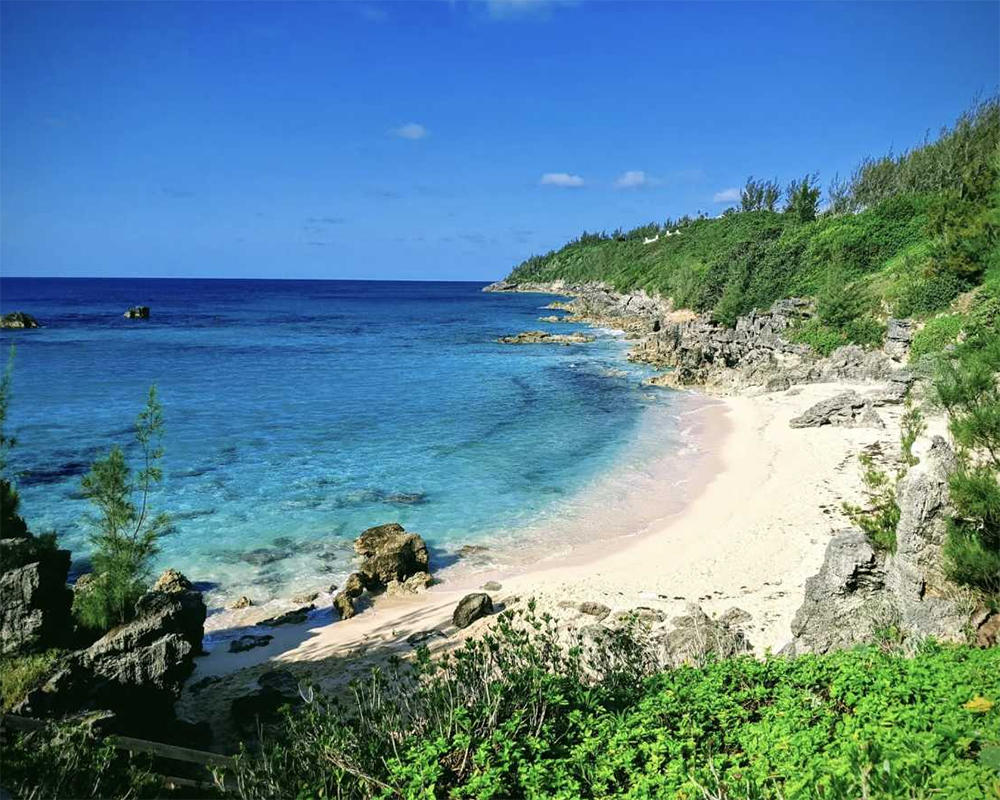
Discover Sri Lanka's ancient maritime capital at Trincomalee, where one of the world's finest natural harbors has attracted civilizations for over 2,500 years, creating a fascinating blend of colonial heritage, religious significance, and pristine coastal beauty along the northeastern coast. This historic port city combines spectacular beaches with cultural treasures, where the sacred Koneswaram Temple crowns dramatic clifftops overlooking turquoise waters, where Portuguese, Dutch, and British fortifications tell stories of colonial competition for strategic advantage, and where pristine bays like Nilaveli and Uppuveli stretch for kilometers with powder white sand and crystal clear waters perfect for swimming, snorkeling, and whale watching. More than just a coastal destination, Trincomalee offers profound historical experiences: ancient Tamil poetry celebrating the city's beauty, colonial battlefields where empires clashed for control of the Indian Ocean, hot springs believed to possess healing properties, and living temples where Hindu traditions continue unbroken for over a millennium amid some of the most spectacular coastal scenery in Sri Lanka.
What Makes Trincomalee Extraordinary
Trincomalee represents one of the world's most strategically important natural harbors, where geographic perfection created a deep-water port that has attracted maritime powers from ancient Tamil kingdoms to modern naval forces, while surrounding landscapes combine dramatic clifftop temples, pristine beaches, and protected marine environments in settings of exceptional natural beauty. This isn't simply a port city it's a living museum of Indian Ocean maritime history where Dravidian temples demonstrate centuries of Tamil cultural influence, European fortifications showcase colonial military architecture, and traditional fishing communities maintain practices that predate recorded history. The region's extraordinary biodiversity encompasses coral reefs that support world-class diving and snorkeling, seasonal whale migration routes that bring blue whales and sperm whales close to shore, and protected marine sanctuaries where sea turtles nest on beaches that seem untouched by modern development. What makes Trincomalee truly extraordinary is how it combines multiple attractions within a compact coastal region: the sacred atmosphere of Koneswaram Temple perched dramatically above the ocean, the pristine beauty of Nilaveli Beach with its offshore Pigeon Island marine sanctuary, the historical significance of Fort Frederick and Dutch Bay, and the cultural authenticity of Tamil communities who have called this region home for over two millennia. The city's strategic importance throughout history has created remarkable architectural and cultural diversity, while its relative isolation during recent decades has preserved natural environments and authentic character that make contemporary visits feel like discoveries of hidden treasure along one of Asia's most beautiful and historically significant coastlines.
Historical Significance
Trincomalee's extraordinary strategic importance stems from its position controlling the northeastern approaches to Sri Lanka and the Indian subcontinent, combined with one of the world's most perfect natural harbors that provides deep anchorage, storm protection, and freshwater supplies that made it invaluable to maritime powers throughout history. Ancient Tamil literature including the Mahavamsa chronicles and classical poetry celebrates Trincomalee as "Gokanna" or "Gokarna," describing its beauty and religious significance as early as the 3rd century BCE, while archaeological evidence suggests continuous habitation and religious activity for over 2,500 years. The sacred Koneswaram Temple, dedicated to Lord Shiva, became one of Hinduism's most important pilgrimage destinations, attracting devotees from across the Tamil world while establishing Trincomalee as a major religious center that influenced cultural development throughout the region. Portuguese colonization in the 16th century brought the first European attempts to control this strategic harbor, though their limited naval resources and local resistance prevented complete domination of the region's complex political landscape. Dutch conquest in the 17th century marked the beginning of systematic European development of Trincomalee's harbor facilities, with extensive fortifications, administrative buildings, and urban planning that created much of the colonial architecture visible today. British acquisition of Trincomalee during the Napoleonic Wars demonstrated the harbor's global strategic importance, as control of this port became crucial for protecting British interests in India and maintaining naval supremacy in the Indian Ocean against French expansion. During World War II, Trincomalee served as the headquarters for the British Eastern Fleet, making it a primary target for Japanese attacks that brought global warfare to Sri Lankan shores and demonstrated the continued strategic importance of this ancient harbor. Post independence development focused on rebuilding war-damaged infrastructure while developing tourism potential that showcases both historical significance and natural beauty, creating contemporary Trincomalee as a destination that successfully balances heritage preservation with modern amenities and sustainable coastal development.
Must-Experience Wonders
Koneswaram Temple - The Sacred Cliff Temple of Shiva
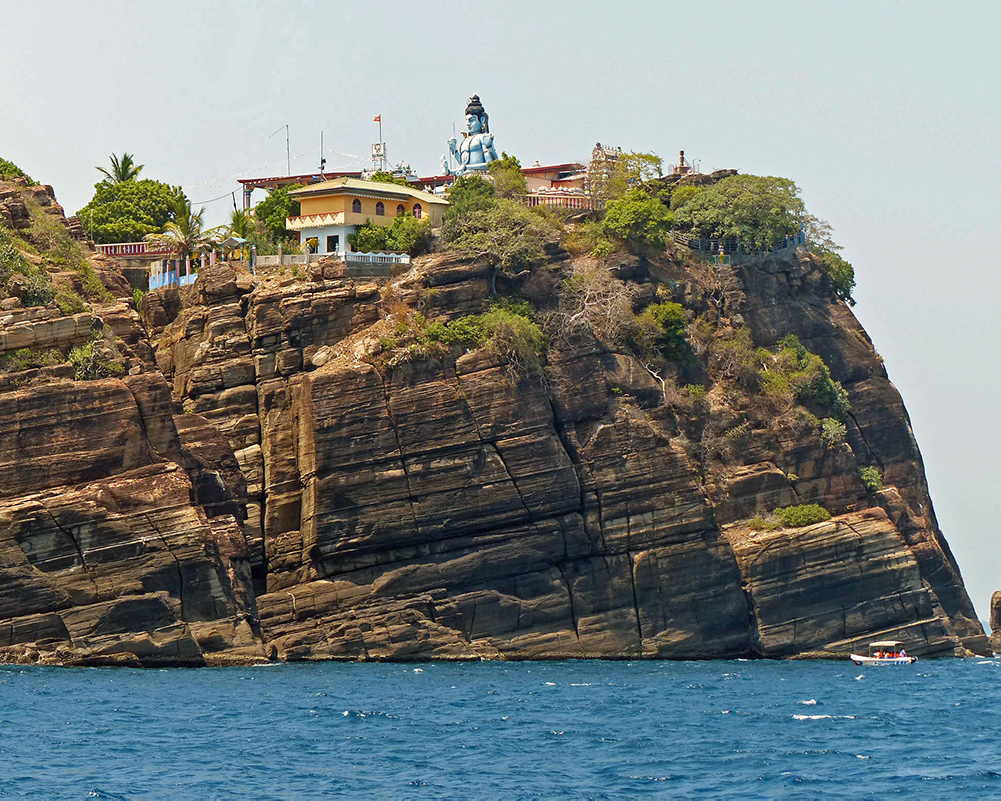
Experience one of Hinduism's most sacred pilgrimage sites at this magnificent temple complex dramatically perched on Swami Rock, where Lord Shiva is worshipped in a setting of breathtaking natural beauty that combines spiritual significance with spectacular ocean views from clifftops rising 130 meters above turquoise waters. The temple's ancient origins trace back over 2,500 years, though the current structures reflect reconstruction following Portuguese destruction in 1624 and subsequent restoration efforts that have created architectural masterpieces blending traditional Dravidian design with unique adaptations to clifftop conditions. Daily rituals, religious festivals, and continuous worship create profound spiritual atmospheres where ancient Tamil traditions continue unbroken while devotees from across the world make pilgrimages to honor Shiva in this spectacular natural setting. The temple complex includes multiple shrines, ceremonial halls, and meditation spaces that demonstrate sophisticated religious architecture, while surrounding grounds provide peaceful settings for contemplation and appreciation of both spiritual heritage and natural beauty that makes this site extraordinary among world religious destinations.
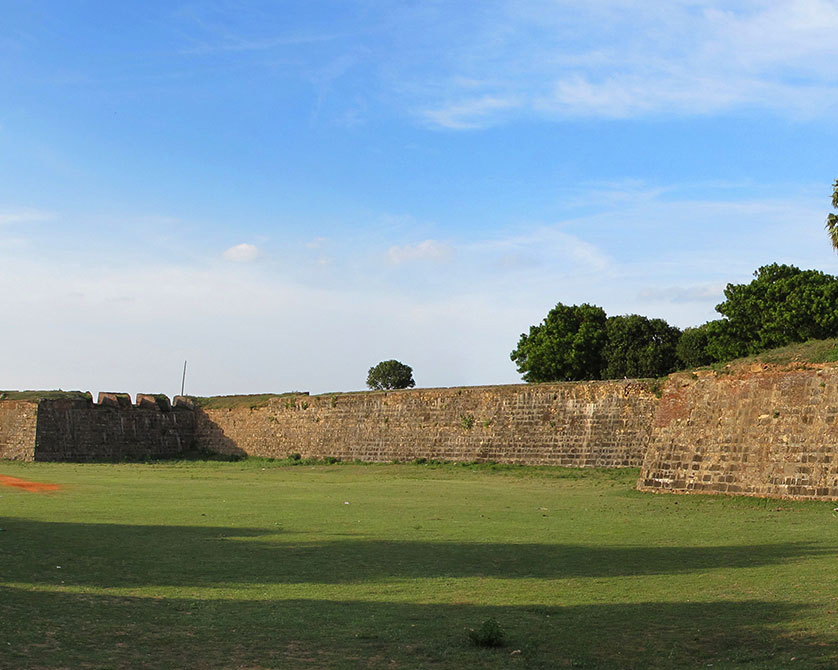
Fort Frederick and Colonial Heritage - Military History Museum
Explore the remarkably preserved Dutch and British fortifications that demonstrate centuries of European military architecture adapted to tropical coastal conditions, where massive stone walls, strategic gun emplacements and administrative buildings showcase the engineering skills and strategic thinking that made Trincomalee a coveted prize among colonial powers. The fort complex, originally built by the Portuguese and extensively developed by Dutch and British forces, encompasses multiple historical periods and architectural styles while providing elevated viewpoints across the harbor and coastline that reveal why this location was considered crucial for controlling Indian Ocean trade routes. Within the fort walls, colonial buildings house museums, administrative offices and cultural sites that tell stories of military campaigns, administrative challenges and cultural interactions that shaped both local history and broader patterns of European colonization in Asia. The fort's integration with natural cliff formations creates unique defensive positions while providing spectacular scenic backdrops that make historical exploration as visually rewarding as it is educationally enriching.
Nilaveli Beach - Paradise of Pristine Sands
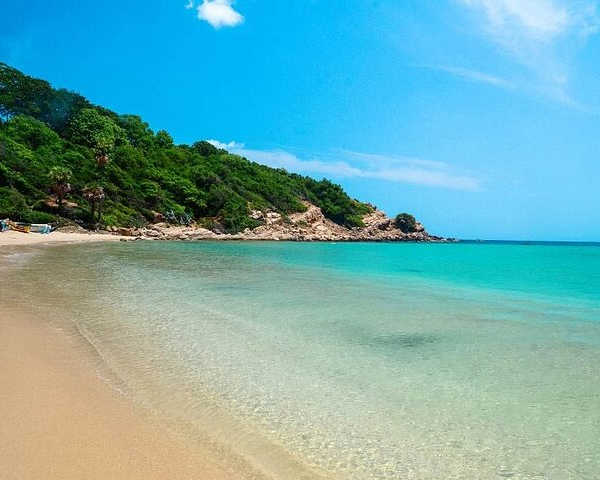
Discover one of Sri Lanka's most beautiful beaches at Nilaveli, where 6 kilometers of powder white sand meet crystal-clear turquoise waters in settings that epitomize tropical beach perfection, enhanced by coconut palm groves, gentle surf conditions and offshore coral reefs that create ideal environments for swimming, snorkeling and peaceful relaxation. The beach's exceptional cleanliness and relatively undeveloped character result from careful environmental protection and limited commercial development that preserves natural beauty while providing essential amenities for comfortable beach experiences. Seasonal whale watching opportunities bring blue whales, sperm whales and dolphins close to shore, while nearby Pigeon Island provides world-class snorkeling and diving experiences in protected marine sanctuary environments. The beach's accessibility via scenic coastal roads makes it perfect for day trips, while beachfront accommodations ranging from simple guesthouses to luxury resorts cater to diverse preferences without overwhelming the natural environment that makes Nilaveli extraordinary.
Pigeon Island National Park - Marine Sanctuary Paradise
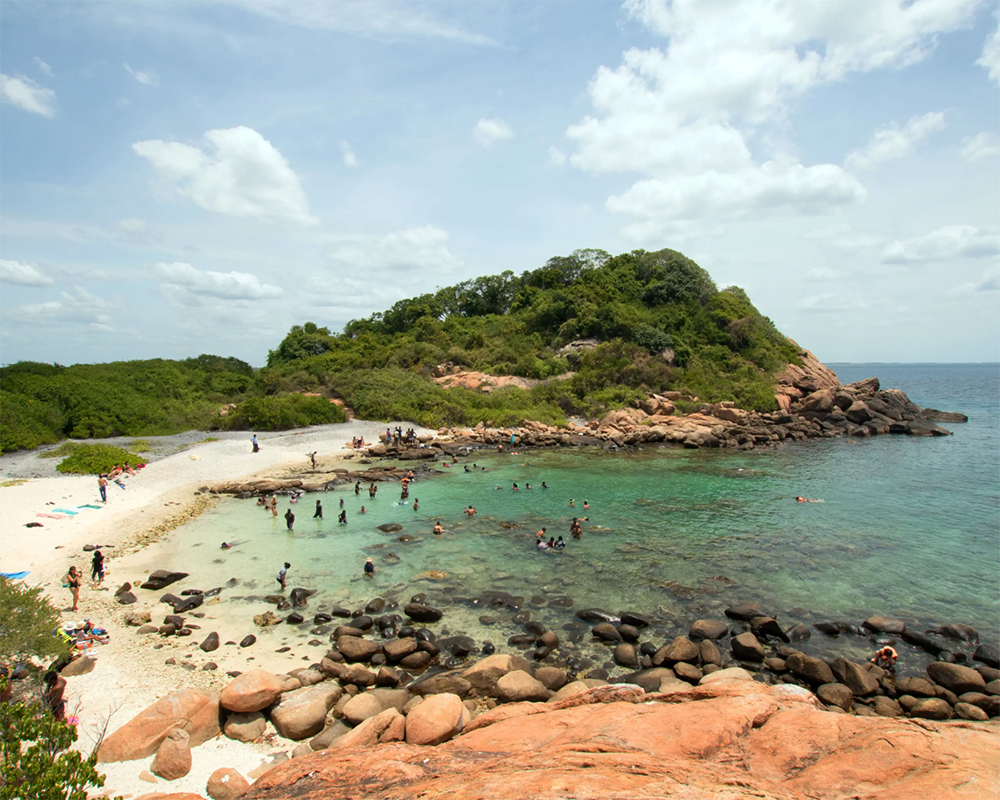
TExplore Sri Lanka's first marine national park at this pristine coral island sanctuary located just offshore from Nilaveli Beach, where protected coral reefs support exceptional marine biodiversity including reef sharks, sea turtles, colorful tropical fish and coral formations that create some of the country's best snorkeling and diving experiences. The island's dual reef systems provide different underwater experiences suitable for various skill levels, from shallow snorkeling areas perfect for beginners to deeper diving sites that challenge experienced underwater enthusiasts with caves, swim-throughs, and diverse marine life encounters. The park's strict conservation regulations ensure that marine ecosystems remain healthy and pristine, while educational programs help visitors understand coral reef ecology and the importance of marine conservation for both environmental and economic sustainability. Access requires boat transport from Nilaveli Beach, creating adventure elements while limiting visitor numbers to sustainable levels that protect fragile marine environments while providing unforgettable underwater experiences.est
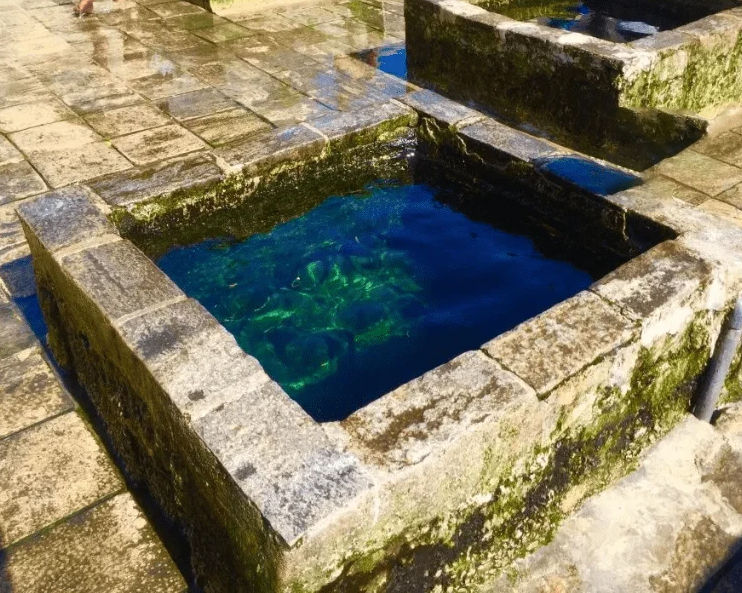
Kanniya Hot Springs - Ancient Healing Waters
Experience the mysterious natural phenomenon of seven hot springs emerging from the earth at different temperatures, where legend credits their creation to King Ravana's arrows during the Ramayana epic, while scientific analysis reveals complex geological processes that create these therapeutic waters believed to possess healing properties for various ailments. The springs' varying temperatures and mineral compositions create different therapeutic experiences, from warm relaxation pools to hotter springs used for traditional treatments of skin conditions, joint problems, and other health issues according to ancient Ayurvedic medical practices. Local communities have maintained traditional knowledge about optimal spring selection and treatment methods for different conditions, while modern facilities provide comfortable access and changing areas that make spring visits convenient for international visitors. The springs' location inland from coastal attractions provides cultural variety and insights into traditional healing practices that demonstrate the sophisticated medical knowledge preserved in Sri Lankan folk traditions.
Uppuveli Beach and Coral Cove - Tranquil Coastal Paradise
Discover this peaceful beach destination located closer to Trincomalee town, where golden sand beaches, calm swimming conditions, and spectacular sunrise views create perfect settings for relaxation and water activities while maintaining easy access to historical sites and cultural attractions. The beach's protected bay location ensures generally calm conditions suitable for families with children, while nearby coral formations provide snorkeling opportunities and marine life encounters without requiring boat transport to offshore locations. Traditional fishing boat activities add authentic cultural elements to beach experiences, while beachfront restaurants serve fresh seafood and local specialties with ocean views that enhance dining experiences. The beach's proximity to town amenities makes it ideal for visitors who prefer combining beach relaxation with cultural exploration, while sunset viewing opportunities and peaceful atmosphere provide romantic settings for couples and contemplative experiences for solo travelers.
Cultural Experiences & Living Heritage
Tamil Cultural Immersion and Temple Traditions
Experience authentic Tamil Hindu culture through participation in temple ceremonies, religious festivals, and cultural practices that have continued unbroken for over two millennia, including traditional music, dance, and artistic expressions that demonstrate the rich cultural heritage of Trincomalee's Tamil communities. These cultural encounters include temple architecture studies, religious art appreciation, and opportunities to observe traditional crafts, cooking methods, and community celebrations that preserve ancient traditions while adapting to contemporary life.
Colonial History and Maritime Heritage
Explore Trincomalee's complex colonial history through guided tours of fortifications, museums, and historical sites that reveal the strategic importance of this harbor throughout European colonial competition, including military history, administrative challenges, and cultural interactions that shaped both local development and broader patterns of colonization in the Indian Ocean region.
Whale Watching
Participate in whale watching excursions that combine wildlife viewing with scientific education, demonstrating the importance of marine ecosystem protection while providing opportunities to observe blue whales, sperm whales, and dolphins in one of the world's most reliable whale watching destinations during seasonal migration periods.
Transportation & Access from Major Cities
From Colombo
257 km via A6 and A12 highways (5-6 hours), scenic route through diverse landscapes including ancient capitals.
From Kandy
178 km via A9 and A6 highways (4 hours), beautiful journey through Central Highlands and cultural sites.
From Anuradhapura
104 km via A9 highway (2.5 hours), excellent combination with ancient capital exploration.
From Polonnaruwa
110 km via A11 and A6 highways (2.5 hours), perfect for Cultural Triangle and coastal combinations.
From Sigiriya
130 km via A6 highway (3 hours), ideal for combining archaeological wonders with coastal experiences.
Dining Experiences
Fresh Seafood Specialties
Traditional Tamil coastal cuisine featuring locally caught fish, crab and prawns.
Colonial Heritage Dining
Restaurants in historic buildings serving international cuisine with local influences.
Beachfront Dining
Casual restaurants with ocean views serving fresh catches and tropical beverages.
Authentic Shopping & Souvenirs
Religious and Cultural Items
Hindu Religious Articles
Traditional prayer items, incense, oils and ceremonial objects used in temple worship.
Tamil Cultural Crafts
Handwoven textiles, traditional jewelry and artistic items representing Tamil cultural heritage.
Temple Art Reproductions
Prints and sculptures featuring religious themes and architectural elements.
Traditional Music Instruments
Drums, bells and other instruments used in religious ceremonies and cultural performances.
Local Crafts and Natural Products
Handwoven Fishing Nets
Traditional nets and fishing equipment made by local coastal communities.
Coconut Shell Crafts
Decorative and functional items created from locally harvested coconut materials.
Sea Shell Jewelry
Handcrafted accessories featuring shells and marine materials from local beaches.
Natural Ayurvedic Products
Traditional preparations using herbs and minerals from hot springs and local sources.
Marine Photography
Professional prints featuring Trincomalee's coastal beauty, wildlife and cultural heritage.
Best Times to Visit & Seasonal Highlights
Optimal Weather and Marine Activity Conditions
Dry Season (April-September)
Clear skies, calm seas, optimal conditions for beach activities and marine excursions.
Peak Whale Watching (May-October)
Blue whale and sperm whale migrations with highest sighting probabilities.
Best Diving Season (April-September)
Optimal underwater visibility and calm conditions for marine park exploration.
Cultural Festival Seasons
Various Hindu festivals throughout the year providing authentic cultural experiences.
Seasonal Natural and Cultural Highlights.
Temple Festival Calendar
Major religious celebrations including Mahashivarathri and other significant Hindu festivals.
Marine Life Seasons
Different marine species activity periods including turtle nesting and coral spawning.
Bird Migration
Seasonal bird watching opportunities in coastal and inland areas.
Seasonal Considerations
Northeast Monsoon (October-March)
Rough seas limiting marine activities but dramatic coastal scenery.
Inter-Monsoon Periods
Variable weather with opportunities for both beach and cultural activities.
Hot Season (March-May)
High temperatures requiring early morning and late afternoon activity scheduling.
Visitor Guidelines & Practical Information
Cultural and Religious Sensitivity
Temple Etiquette
Appropriate dress, behavior and photography guidelines for Hindu religious sites.
Cultural Respect
Understanding Tamil customs, traditions and appropriate interaction with local communities.
Religious Observances
Respectful participation in or observation of religious ceremonies and festivals.
Marine and Beach Safety
Ocean Conditions
Seasonal weather patterns, current awareness and swimming safety considerations.
Marine Life Awareness
Understanding local marine hazards and appropriate protective measures.
Coral Reef Protection
Environmental guidelines for snorkeling and diving that protect fragile marine ecosystems.
Sun Protection
Tropical sun exposure requiring constant protection and hydration in coastal environments.
Health and Travel Considerations
Tropical Health
Climate adaptation, disease prevention and appropriate medical preparation for northeastern coast.
Remote Area Considerations
Limited medical facilities in some coastal areas.
Seasonal Access
Weather-dependent access to some marine activities and offshore locations.
Insider Tips from Dream Lanka Holidays
Cultural and Historical Insights
Temple Festival Participation
Authentic involvement in Hindu religious celebrations and cultural ceremonies.
Tamil Cultural Connections
Meetings with community leaders, cultural practitioners and traditional knowledge holders.
Premium Marine and Beach Experiences
Private Whale Watching
Exclusive excursions with marine biologists and optimal timing for wildlife encounters.
Traditional Fishing Experiences
Authentic participation in traditional fishing methods and community activities.
Comprehensive FAQ
Experience Trincomalee with Dream Lanka Holidays
Discover the ancient maritime capital of Sri Lanka with our expert guides who transform historic harbors and pristine beaches into profound experiences that combine cultural immersion, natural beauty, and spiritual significance in one of the island's most historically important and scenically spectacular destinations. Our specialized Trincomalee programs balance cultural exploration with marine adventures, ensuring you understand not just the visual magnificence of clifftop temples and turquoise waters but the fascinating stories of civilizations, religions, and maritime powers that have shaped this extraordinary corner of Sri Lanka for over 2,500 years.
We provide access to experiences that casual visitors often miss: private temple ceremonies with Hindu priests who share profound spiritual insights, exclusive whale watching excursions with marine biologists who explain cetacean behavior and authentic cultural encounters with Tamil families who maintain traditions that predate European colonization. Our guides, trained in both maritime history and marine conservation, help you navigate ancient temples and pristine coral reefs while understanding the cultural and environmental contexts that make Trincomalee special.
From practical guidance about optimal diving conditions and temple etiquette to profound insights about Tamil culture and colonial history, let Dream Lanka Holidays guide you through Trincomalee's timeless treasures. Experience the perfect blend of cultural depth and natural beauty where sacred Hindu temples crown dramatic clifftops, where pristine beaches meet crystal-clear waters teeming with marine life, and where every sunrise over the Indian Ocean reminds you why this ancient harbor has captivated civilizations and continues to inspire all who discover its extraordinary combination of history, spirituality, and natural paradise.