Dambulla
The Golden Temple of Cave Wonders
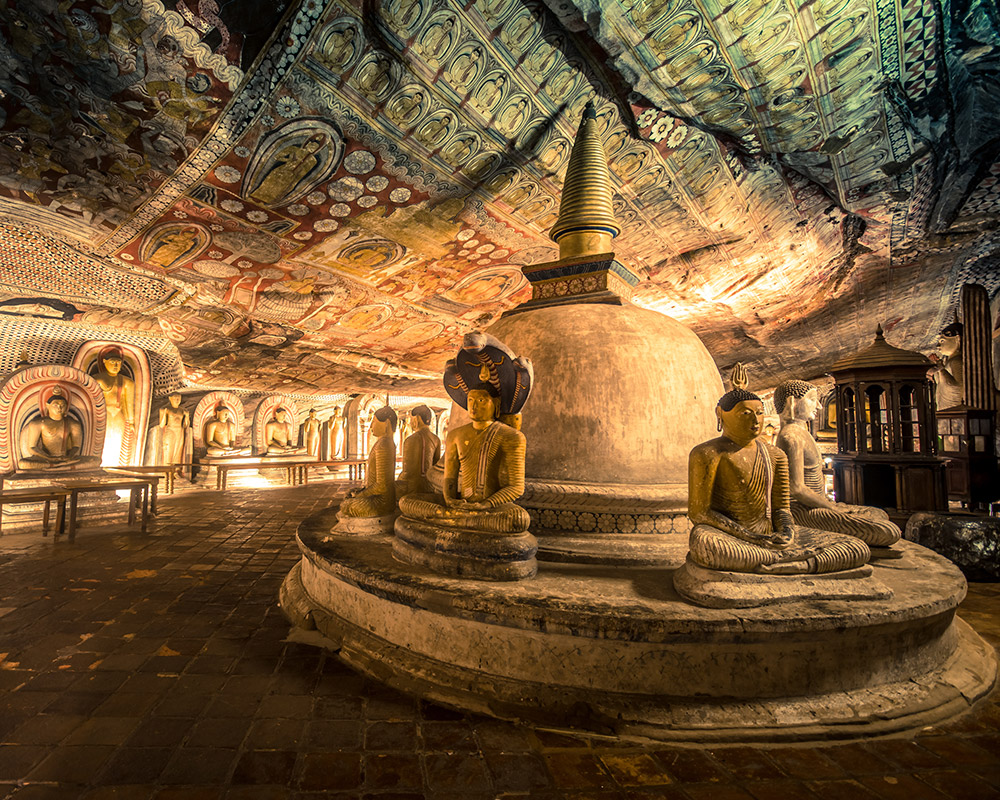
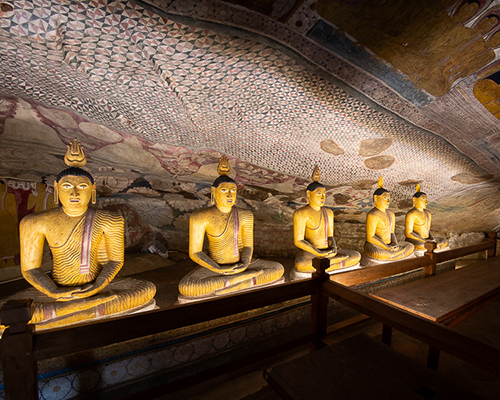
Enter a sacred realm where 2,000 years of devotion have transformed natural rock caves into Sri Lanka's most spectacular temple complex which is Dambulla Cave Temple, the largest and best-preserved cave temple complex in the country. This UNESCO World Heritage Site crowns a massive 160-meter high rock outcrop with five magnificent caves containing over 150 Buddha statues, 2,100 square meters of ancient murals, and religious art that spans centuries of artistic evolution. More than just a temple, Dambulla is a living museum of Buddhist culture where golden Buddhas gaze serenely from cavern walls painted with celestial scenes, where ancient kings sought divine blessing, and where pilgrims still climb stone steps worn smooth by millions of faithful feet over two millennia.
What Makes Dambulla Extraordinary
Dambulla represents the longest continuous period of religious art creation in Sri Lanka, with paintings and sculptures added, restored, and embellished by successive generations of artists from the 1st century BCE to the present day. This isn't merely an ancient site frozen in time it's a living temple where artistic traditions continue to evolve while preserving techniques perfected over centuries. The five main caves each tell different chapters of Buddhist history through art: from primitive early paintings that reveal the origins of Sinhalese Buddhist culture to elaborate 18th and 19th-century masterpieces that showcase the sophisticated court art of the Kandyan period. The scale is breathtaking as Cave 2 alone contains 56 Buddha statues and covers its entire ceiling with intricate paintings depicting Buddhist cosmology, while the caves collectively house the largest collection of Buddha images under one roof anywhere in the world. What makes Dambulla truly extraordinary is how natural rock formations have been ingeniously transformed into sacred spaces, where dripping water has been channeled into ceremonial pools, where cave contours have been carved to accommodate colossal reclining Buddhas, and where natural lighting creates constantly changing moods that enhance the spiritual atmosphere throughout the day.
Historical Significance
Dambulla's sacred history begins in the 1st century BCE when King Valagamba took refuge in these caves during a South Indian invasion, vowing to create a magnificent temple if he regained his throne. After reclaiming his kingdom, he fulfilled his promise by commissioning the first cave temples, establishing a tradition of royal patronage that continued for over 2,000 years. Each subsequent dynasty added their own artistic contributions: the Anuradhapura kings expanded the temple complex, Polonnaruwa rulers added sophisticated paintings, and Kandyan monarchs commissioned the elaborate decorative schemes visible today. The temple served multiple roles throughout history which were royal sanctuary, monastic center, pilgrimage destination, and artistic workshop where master painters trained apprentices in techniques passed down through generations. King Nissanka Malla gilded the caves and added his royal inscriptions, while King Kirti Sri Rajasinha in the 18th century commissioned extensive renovations that created many of the masterpieces visitors see today. The British colonial period brought both threats and preservation efforts, as administrators recognized the site's extraordinary cultural value while Christian missionaries sought to diminish its religious significance. Post-independence Sri Lanka has invested heavily in conservation, making Dambulla a model for heritage preservation that balances religious use with archaeological protection, ensuring these ancient masterpieces continue to inspire both pilgrims and art lovers from around the world.
Must-Experience Wonders
Cave of the Divine King (Devaraja Viharaya) - Cave 2
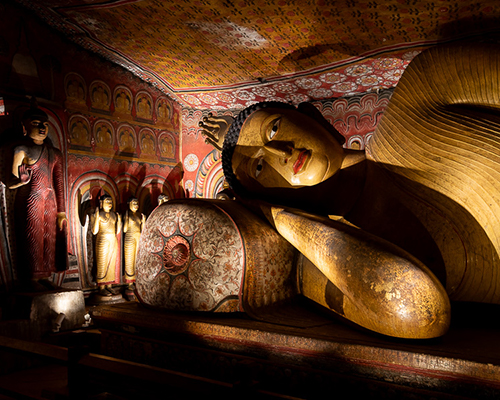
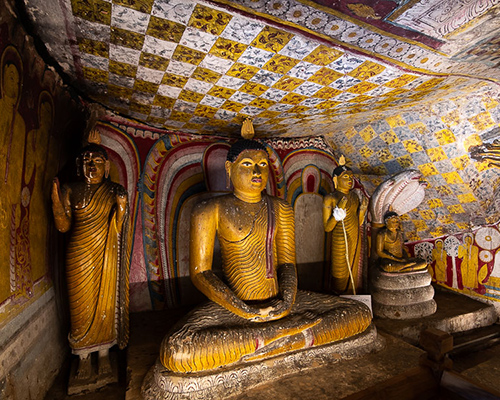
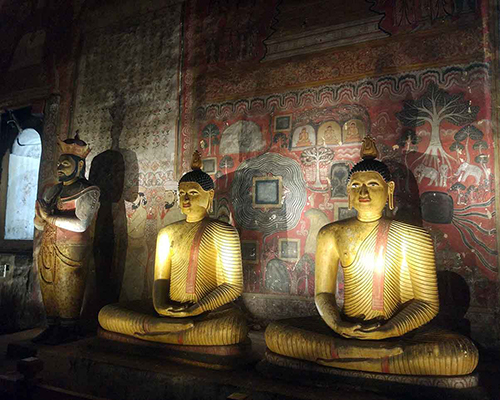
The crown jewel of Dambulla, this magnificent cavern stretches 52 meters long and reaches 7 meters high, creating a natural cathedral filled with artistic treasures that represent the pinnacle of Sinhalese Buddhist art. The cave houses 56 Buddha statues in various poses, including a spectacular 15-meter reclining Buddha carved from the living rock, whose serene expression changes subtly as natural light shifts throughout the day. The entire 340-square-meter ceiling blazes with intricate paintings depicting scenes from Buddha's life, Jataka tales of his previous births, and elaborate geometric patterns that create a celestial canopy above worshippers. The central seated Buddha, flanked by wooden statues of Kings Valagamba and Nissanka Malla, presides over this sacred space where water naturally drips from a crack in the ceiling into a ceremonial pot which is a phenomenon devotees believe will continue as long as the temple exists.
Great New Monastery (Maha Alut Viharaya) - Cave 1
The largest cave temple, measuring 23 meters long with a 6-meter ceiling, showcases the evolution of Buddhist art across different historical periods. Dominated by a magnificent 14-meter reclining Buddha carved from solid granite, this cave demonstrates how ancient sculptors worked within natural rock formations to create monumental religious art. The Buddha's feet display intricate symbols including the Wheel of Dharma, lotus flowers, and other sacred motifs that reveal the sophisticated iconographic knowledge of ancient craftsmen. Surrounding the great reclining figure, numerous seated and standing Buddha statues represent different periods of artistic development, while painted walls depict scenes from Buddhist scriptures with remarkable preservation of original colors achieved through natural mineral pigments.
Great New Temple (Maha Alut Viharaya) - Cave 3
Built during the Kandyan period, this cave exemplifies the sophisticated decorative arts of 18th-century Sri Lanka, when royal patronage reached new heights of artistic achievement. The cave's 27-meter length contains 50 Buddha statues and bodhisattva figures, many gilded with gold leaf that creates spectacular light effects as candles and oil lamps illuminate the chamber during evening ceremonies. The paintings here represent the most technically accomplished work in Dambulla, featuring complex compositions that blend Buddhist religious themes with contemporary court life, including depictions of Kandyan nobles, European colonial officials, and traditional Sinhalese cultural practices. The artistic sophistication demonstrates how Buddhist temple art evolved to incorporate contemporary influences while maintaining essential religious symbolism.
Western Temple (Paschima Viharaya) - Cave 4
This smaller but artistically significant cave contains unique features not found elsewhere in the complex, including a stupa carved from the living rock and paintings that reveal influences from South Indian artistic traditions. The 12-meter cave houses several Buddha statues and features wall paintings that include rare depictions of Hindu deities, reflecting the syncretic religious practices that developed in medieval Sri Lanka. Archaeological evidence suggests this cave served as a meditation retreat for senior monks, with natural acoustics that enhance chanting and contemplative practices.
Second New Temple (Devana Alut Viharaya) - Cave 5
The newest addition to the complex, created in the late 20th century, demonstrates how living religious traditions continue to evolve at Dambulla. While maintaining traditional artistic techniques and iconography, this cave incorporates modern materials and conservation methods that ensure artistic works will survive for future generations. The cave houses a reclining Buddha and various seated figures, with contemporary paintings executed by artists trained in traditional methods but working with modern tools and materials.
The Golden Temple Museum and Cultural Complex
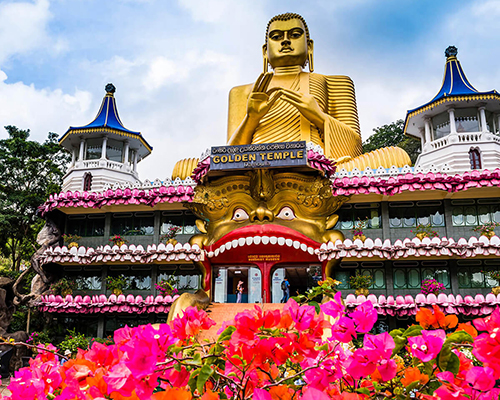
At the base of the rock, this modern complex provides essential context for understanding Dambulla's historical and artistic significance. The museum houses artifacts discovered during archaeological excavations, demonstrates traditional painting and sculpture techniques, and explains the religious symbolism found throughout the cave temples. Interactive exhibits help visitors understand Buddhist cosmology, the development of Sinhalese art, and the conservation challenges involved in preserving ancient masterpieces in tropical conditions.
Cultural Experiences & Living Heritage
Buddhist Meditation and Ceremonies
Join morning and evening puja (prayer) ceremonies where local devotees continue worship traditions that have remained essentially unchanged for over 2,000 years. The natural acoustics of the caves enhance the chanting experience, while the presence of ancient Buddha statues creates a profoundly spiritual atmosphere that connects participants to centuries of religious practice.
Pilgrimage Trail Experiences
Follow the traditional pilgrimage route that includes circumambulation of the rock, visits to smaller cave shrines often overlooked by casual tourists, and participation in full-moon day celebrations when thousands of devotees climb the rock in procession. These experiences provide authentic insight into living Buddhist culture and the continuing religious significance of this ancient site.
Transportation & Access from Major Cities
From Colombo
148 km via A1 highway (3 hours), convenient for day trips or Cultural Triangle circuits.
From Kandy
72 km via A9 highway (1.5 hours), perfect for combining hill country with cultural sites.
From Anuradhapura
68 km via A9 highway (1.5 hours), ideal for ancient capital combinations.
From Sigiriya
19 km via local roads (30 minutes), most popular twin destination for archaeological tours.
From Polonnaruwa
50 km via A6 highway (1 hour), excellent for comprehensive Cultural Triangle experiences.
Dining Experiences
Temple Vegetarian Meals
Authentic Buddhist vegetarian cuisine served at monastery guest houses.
Village Home Cooking
Family-style meals prepared using traditional methods and locally sourced ingredients.
Roadside Local Eateries
Simple but authentic Sri Lankan food popular with pilgrims and locals.
Heritage Hotel Dining
Refined cuisine combining traditional recipes with modern presentation.
Pilgrimage Trail Food
Simple meals served to devotees during religious festivals and ceremonies.
Authentic Shopping & Souvenirs
Religious Artifacts & Art
Buddha Statue Replicas
Hand-carved wooden and stone reproductions of famous Dambulla Buddha figures.
Traditional Paintings
Miniature temple-style paintings created using authentic techniques and natural pigments.
Prayer Flags and Accessories
Colorful Buddhist prayer flags, prayer beads and meditation accessories.
Incense and Religious Items
Traditional incense, oil lamps, and ceremonial items used in Buddhist worship.
Palm Leaf Manuscripts
Replicas of ancient Buddhist texts written on traditional palm leaves.
Local Crafts & Cultural Items
Handwoven Textiles
Traditional fabrics featuring Buddhist symbols and local patterns.
Woodcraft Souvenirs
Carved wooden items including elephants, lotus flowers, and religious symbols.
Natural Gemstones
Semi-precious stones found in the region, often incorporated into Buddhist jewelry.
Traditional Masks
Handcrafted ceremonial masks representing characters from Buddhist folk traditions.
Ayurvedic Products
Natural remedies and beauty treatments using herbs cultivated in monastery gardens.
Best Times to Visit & Seasonal Highlights
Optimal Temple Visiting Conditions
Early Morning (6:00-8:00 AM)
Cool temperatures for climbing, peaceful atmosphere, optimal natural lighting in caves.
Late Afternoon (4:00-6:00 PM)
Golden hour photography opportunities, comfortable temperatures, evening prayer ceremonies.
Dry Season (December-March)
Clear skies, stable weather, comfortable conditions for extended exploration.
Full Moon Days (Poya)
Special ceremonies, traditional oil lamp lighting, authentic pilgrimage experiences.
Seasonal Considerations
Monsoon Season (May-October)
Occasional afternoon showers but lush green surroundings and fewer crowds.
Peak Season (December-February)
Ideal weather conditions but require early morning visits for peaceful experiences.
Hot Season (March-May)
High temperatures requiring early morning climbs and adequate hydration.
Visitor Guidelines & Practical Information
Entry Requirements & Logistics
Climbing Duration
30-45 minutes to reach cave temples; 2-3 hours for comprehensive exploration.
Physical Requirements
Moderate fitness level required; approximately 400 steps up steep pathways.
Age Suitability
Appropriate for most ages, though elderly visitors should consider physical demands.
Safety & Preparation Guidelines
Footwear
Comfortable shoes that can be easily removed (bare feet required inside caves).
Clothing
Modest dress covering shoulders and knees essential for temple entry.
Sun Protection
Hat, sunscreen, and water essential for outdoor climbing and waiting areas.
Photography Equipment
Cameras permitted in most areas; flash photography restrictions in certain caves.
Cultural Respect & Religious Protocol
Temple Etiquette
Remove shoes and hats before entering caves; maintain quiet, respectful behavior.
Photography Guidelines
Respectful photography permitted; avoid flash near ancient paintings.
Interaction with Monks
Respectful greetings appropriate; women should not directly hand items to monks.
Religious Observances
Participate respectfully in ceremonies; follow guidance from temple attendants.
Insider Tips from Dream Lanka Holidays
Professional Photography Secrets
Cave Lighting Techniques
Optimal times and positions for capturing ancient artwork without damaging flash photography.
Cultural Photography Ethics
Guidelines for respectfully photographing religious ceremonies and devotees.
Seasonal Lighting Variations
How different times of year affect natural lighting conditions in caves.
Comprehensive FAQ
Experience Dambulla with Dream Lanka Holidays
Discover 2,000 years of Buddhist artistry with our expert guides who transform ancient cave temples into vivid stories of faith, artistic achievement, and cultural continuity. Our specialized Dambulla experiences combine art historical expertise with spiritual insight, ensuring you understand not just the technical mastery of ancient artists but the religious devotion that inspired these magnificent creations.
We provide access to aspects of Dambulla that casual visitors often miss: opportunities to observe traditional artists at work, participation in authentic Buddhist ceremonies, and connections with monks who maintain living religious traditions in these ancient spaces. Our guides, trained in both art history and Buddhist philosophy, help you appreciate the sophisticated iconography, understand the evolution of artistic styles across centuries, and experience the profound spiritual atmosphere that has drawn pilgrims for over two millennia.
From practical guidance about optimal photography conditions to deep insights about Buddhist cosmology and meditation practices, let Dream Lanka Holidays guide you through Dambulla's sacred treasures. Experience the living heritage of Sri Lankan Buddhism where ancient artistry continues to inspire, where natural caves have been transformed into celestial realms, and where every painted surface and carved statue connects you to the enduring human quest for beauty, meaning, and spiritual transcendence.